

An energy-efficient home delivers perks that reach far beyond lower utility bills. Thoughtful upgrades bring comfort, cut waste, and boost a property’s appeal to buyers who want lower operating costs and modern functionality. Many improvements that reduce energy use also improve indoor comfort, enhance resale value, and support sustainable living. Whether a homeowner is planning to stay long-term or preparing for sale, energy-smart investments can make daily life more enjoyable while protecting the bottom line month after month.
Switch to LED Lighting for Long-Term Savings
Lighting is one of the simplest places to start reducing energy use. Swapping outdated incandescent or CFL bulbs for LED alternatives can cut lighting energy consumption substantially, often by around 75%. LEDs also last far longer than traditional bulbs, typically up to 25 times the lifespan of an incandescent, which reduces maintenance and replacement costs over time. Brighter, more efficient lighting also enhances a space’s appearance, making rooms feel cleaner and more modern without increasing electricity use.
Aside from basic bulbs, consider LED options for recessed cans, under-cabinet strips, and outdoor fixtures. Many LED bulbs now offer adjustable color temperatures, allowing homeowners to match lighting to their décor or desired mood. Warmer tones feel cozy in living spaces, while cooler tones can enhance focus in work areas or kitchens. Because LED upgrades typically cost less than many larger renovations, they deliver a quick return on investment in the form of lower bills and improved ambiance.
Install a Smart Thermostat to Optimize Heating and Cooling
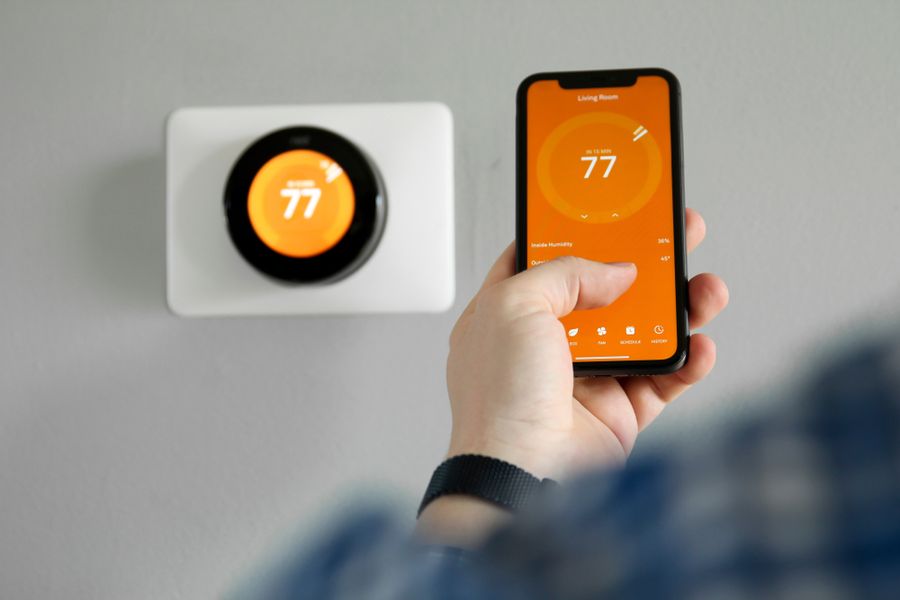
Heating and cooling systems account for a large portion of home energy use, and poorly managed temperature control leads to unnecessary waste. Smart thermostats bring automation and intelligent scheduling to HVAC systems, learning daily routines and adjusting temperatures when the house is empty. This automated efficiency reduces wasted heating and cooling, helping cut annual energy costs by a noteworthy percentage. Remote control via smartphone apps also allows homeowners to adjust settings on the go, preventing wasted energy when no one’s home.
Beyond convenience, smart thermostats often deliver detailed usage data and suggestions for further optimization. That feedback can raise awareness of energy habits and encourage additional savings. Prospective buyers also view smart thermostats as a valuable tech feature, adding to a home’s appeal by combining comfort, convenience, and cost-conscious operation. In both day-to-day living and resale markets, efficient temperature control is a major plus.
Improve Insulation and Seal Air Leaks for Year-Round Comfort
Heat loss and drafts are common culprits of high energy bills, especially in older homes. Attic insulation, wall insulation, and basement sealing work together to keep conditioned air inside and outside air where it belongs. Proper insulation ensures temperature consistency throughout the seasons, reducing the workload on furnaces and air conditioners. Adding or upgrading insulation can cut heating and cooling costs significantly, leading to noticeable comfort improvements alongside financial savings.
Air sealing around windows, doors, and ductwork further prevents energy loss. Small gaps and cracks may seem insignificant, but collectively they allow warm air to escape in winter and cool air to leak out in summer. Homeowners often notice reduced drafts and a more stable indoor climate once sealing and insulation improvements are made. While the upfront investment varies based on home size and needs, the long-term benefits in comfort and savings usually justify the effort.
Upgrade to ENERGY STAR Appliances for Efficient Daily Use
Appliances such as refrigerators, dishwashers, washers, and dryers are among the most consistent energy users in any home. Older models may consume far more electricity and water than modern alternatives. ENERGY STAR-certified appliances are designed to operate more efficiently without sacrificing performance. Replacing outdated units with high-efficiency models can reduce energy use by double-digit percentages depending on the appliance type and age.
In addition to lower utility bills, new appliances often include advanced features like improved water economies, quieter operation, and more precise food preservation. Some utility companies and local governments even offer rebates or incentives for purchasing energy-efficient appliances, softening the initial cost. Buyers tend to favor homes with updated, efficient appliances because they signal quality and reduce the likelihood of immediate replacements or repairs.
Invest in Energy-Efficient Windows to Reduce Loss
Windows play a major role in home energy performance. Traditional single-pane windows allow significant heat transfer, making HVAC systems work harder to maintain comfortable temperatures. Modern double- or triple-pane windows offer better insulation, reducing drafts and increasing overall comfort. Many energy-efficient windows also feature low-emissivity (low-E) coatings that block UV rays, protecting furniture and flooring from fading while improving year-round temperature control.
Upgrading windows is often more expensive than smaller projects like lighting or thermostats, but the long-term savings and comfort gains can be substantial. Lower utility costs, reduced noise transmission, and enhanced curb appeal all contribute to the investment’s value. Energy-efficient windows also attract buyers seeking a home that feels comfortable, quiet, and modern without generating excessive energy costs.
High-Efficiency HVAC and Water Heating for Major Impact
Upgrading an aging HVAC system to a high-efficiency model can dramatically reduce energy bills and enhance indoor comfort. Systems over a decade old often lag behind today’s models in performance and efficiency. Newer units use advanced technology to deliver precise climate control with lower energy input. This results in quieter operation, fewer breakdowns, and a more consistent indoor environment. Buyers appreciate newer HVAC systems because they remove a common concern about costly maintenance or replacement.
Water heating also represents a significant portion of home energy use. Tankless systems or high-efficiency storage units can deliver hot water more efficiently than older heaters. Some homes may benefit from heat pump water heaters, which transfer heat rather than generate it, potentially saving even more energy. Replacing outdated water heaters with ENERGY STAR-certified versions adds both savings and peace of mind, making a home more attractive to energy-conscious owners.
The Long-Term Value of Energy-Smart Upgrades
Energy-efficient upgrades deliver more than just reduced monthly bills; they enhance comfort, functionality, and market appeal. When a home operates efficiently, it feels more comfortable year-round, and buyers recognize the value of lower operating costs and modern systems. From simple lighting changes to major window or HVAC investments, energy-smart choices contribute to a property’s long-term performance and appeal.
Beyond financial savings, energy-efficient features reflect a commitment to sustainability and modern living standards. When buyers see upgrades that reduce waste and improve comfort, they often perceive the home as well-maintained and technologically up-to-date. That perception can influence both desirability and the strength of offers when it’s time to sell.