

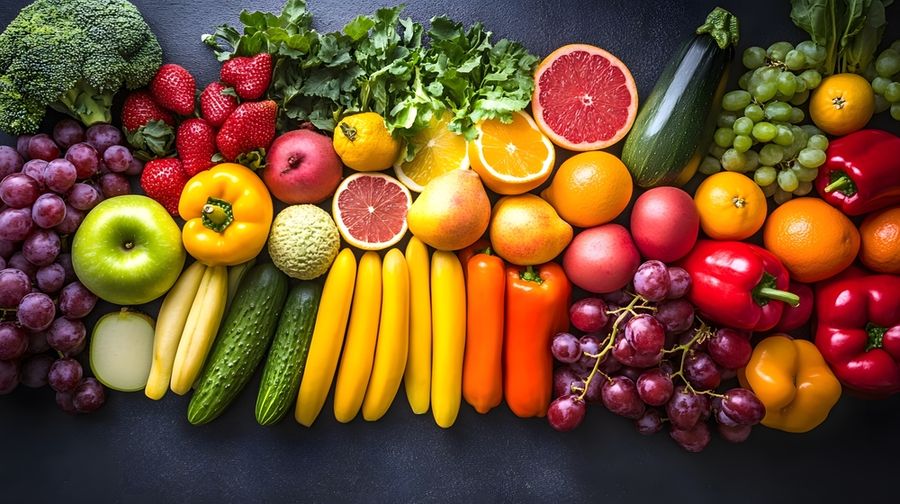
Fresh produce can feel like a gamble: one day your strawberries look perfect, and the next you’re tossing a mushy container into the trash. The good news is that most fruits and vegetables don’t spoil because they’re “bad,” but because they’re stored in the wrong place or with the wrong neighbors. With a few simple tweaks, like using the crisper drawer correctly, keeping moisture under control, and separating ethylene-producing fruits, you can keep groceries fresher, cut waste, and make healthy meals easier all week.
Start With the Big Rule: Separate Produce by Ripening Speed
A lot of produce gives off ethylene gas, which is a natural plant hormone that speeds ripening. Apples, bananas, pears, peaches, and avocados are some of the biggest offenders. When they’re stored next to more delicate items, like leafy greens, berries, cucumbers, or broccoli, everything around them tends to spoil faster. That’s why your salad mix can suddenly go slimy after sitting near ripe fruit.
A simple fix is creating “zones” in your kitchen. Keep ripening fruit on the counter in a bowl, and store delicate vegetables in the fridge crisper away from ethylene producers. Even onions can impact nearby items, and onions and potatoes should be stored separately because onions can make potatoes spoil faster. This small change alone can extend the life of a weekly grocery haul.
Know What Stays on the Counter (And What Shouldn’t)
Some produce truly tastes better at room temperature. Tomatoes are the classic example. Refrigeration dulls flavor and makes the texture mealy, so they’re best left on the counter and washed right before using. Avocados, peaches, pears, plums, mangoes, and melons also do well ripening on the counter, then can be moved to the fridge once ripe to buy extra time.
If you need to speed up ripening, a paper bag trick works: placing fruit in a paper bag with a ripe banana can accelerate the process. Pineapple has its own quirky trick. Storing it upside down for a day or two can help distribute sweetness more evenly. Counter storage is great, but only for the right items and only until they’re ripe.
Use Your Fridge Crisper Drawer the Right Way
The crisper drawer isn’t just a “random produce bin.” It’s designed to hold humidity, which helps prevent dehydration and shriveling. Many fruits and vegetables last longer in the fridge because cooler temperatures slow spoilage, and the crisper helps maintain the moisture balance. Apples, for example, soften dramatically faster at room temperature than in the fridge.
For best results, don’t overpack the crisper. Air still needs to circulate, and crowded drawers can lead to bruising and hidden rot. Use reusable produce bags or vented bags for items like grapes, blueberries, strawberries, and cherries. The vents help release moisture, which is key because trapped moisture is what turns berries and greens into a soggy mess.
Moisture Control: The Secret to Crisp Greens and Fresh Berries
Moisture is the #1 reason leafy greens and berries go downhill. Greens do best when they’re protected from excess condensation, so a paper towel inside the container can absorb moisture and prevent slimy leaves. Heads of lettuce tend to store best when washed and thoroughly dried first, then stored with a paper towel to keep the interior from staying wet.
Berries need airflow and dryness, but they also hate sitting in moisture. One popular trick is a quick vinegar-and-water rinse when you get home, followed by thorough drying and storage in a breathable or vented container. Whether you rinse or not, the key is always drying extremely well. If you skip the rinse, simply sorting out any crushed berries right away can still make the entire container last longer.
Store Herbs Like Flowers (Yes, Really)
Fresh herbs are one of the most expensive items to replace, and they’re also one of the easiest to keep alive longer with the right method. Tender herbs like cilantro and parsley do best when treated like flowers: trim the stems, stand them in a glass with 1–2 inches of water, and loosely cover the tops with a produce bag in the fridge. This keeps them hydrated without letting the leaves sit in soggy conditions.
For asparagus, the same trick works. Stand it upright in a glass of cold water, and cover the tips loosely. If that feels too fussy, wrapping the ends in a moist paper towel works well, too. Once you get used to the “herb bouquet” method, it becomes a quick habit, and it can easily double how long herbs stay usable.
Pantry Storage: Potatoes, Onions, Garlic, and Squash Need to Breathe
Not everything belongs in the fridge. Potatoes, onions, garlic, and squash store best in a cool, dark, dry place with airflow. A pantry shelf, basket, or ventilated bin works better than a sealed container. Refrigerating potatoes can change their texture and flavor, and storing onions in a humid fridge can lead to faster spoilage.
One important detail: don’t store onions and potatoes together. The gas from onions can cause potatoes to spoil more quickly. Keeping them separated helps both last longer. Also, avoid storing any of these in plastic bags long-term, as moisture builds up, and that’s when mold and sprouting become an issue. If you want your pantry produce to last, airflow is your best friend.
Keep Your Produce Fresh, Not Perfect
Produce storage doesn’t have to be complicated to be effective. A few habits, like separating ethylene-producing fruit, using the crisper drawer properly, controlling moisture with paper towels, and treating herbs like flowers, can dramatically reduce food waste. It also makes your kitchen feel more functional, since you’re not constantly cleaning out spoiled items.
The best system is the one you can maintain without thinking. Start by fixing the biggest pain point, whether that’s slimy greens, moldy berries, or wilted herbs. Once your fridge starts working with you instead of against you, healthy cooking becomes easier, cheaper, and a lot more enjoyable.