

Swapping out old cookware can feel overwhelming, especially with so many labels claiming to be “safe” or “green.” Beneath sleek finishes and clever marketing, the materials touching your food matter more than most people realize. Some popular nonstick coatings rely on chemicals that raise health and environmental concerns. Choosing better options doesn’t mean sacrificing performance. With the right knowledge, it’s possible to stock a kitchen with durable, high-performing cookware made from materials that support healthier cooking habits.
Why PFAS and Traditional Nonstick Coatings Raise Concerns
When people talk about toxic cookware, they are often referring to pans coated with synthetic nonstick surfaces made from PFAS, a large class of man-made chemicals sometimes called “forever chemicals.” Compounds such as PTFE and older formulations involving PFOA fall under this umbrella. While many brands now advertise “PFOA-free,” that label alone does not guarantee a product is free from all PFAS-related substances.
PFAS chemicals are known for their durability and resistance to heat, oil, and water, but that same persistence means they do not easily break down in the environment. Overheating traditional nonstick pans can also release fumes and degrade the coating over time. Scratched surfaces may expose reactive metals underneath, increasing the risk of unwanted materials leaching into food. Understanding labeling language is the first step toward making more informed choices.
Cast Iron and Carbon Steel: Time-Tested and Reliable
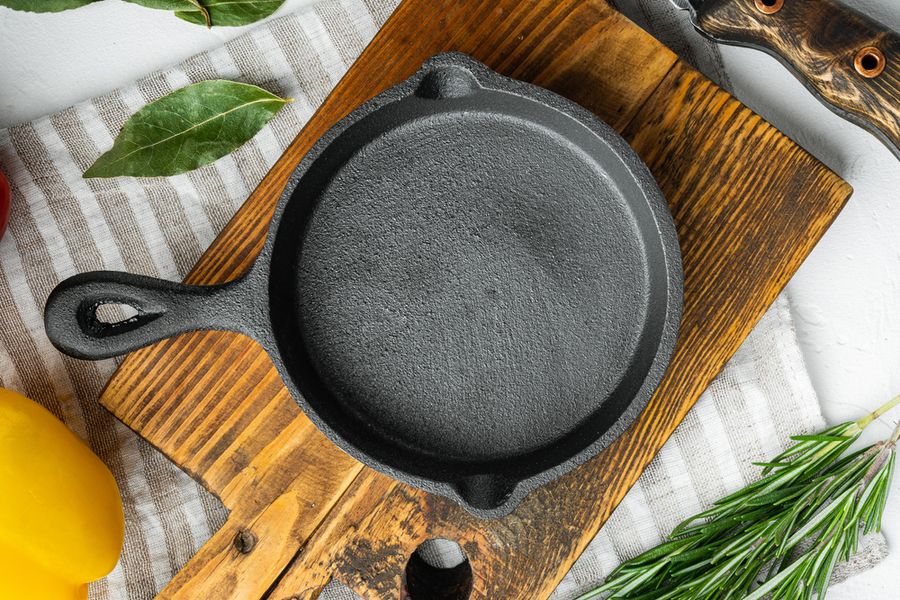
Cast iron has earned its place in kitchens for generations. When properly seasoned, it develops a naturally nonstick surface without synthetic coatings. It retains heat exceptionally well, making it ideal for searing, baking, and even frying. With routine care, a cast iron pan can last decades, often improving with age.
Carbon steel offers similar benefits in a lighter, more maneuverable form. Made primarily from iron and a small percentage of carbon, it heats quickly and evenly. Like cast iron, it requires seasoning and can react with highly acidic foods if not well-maintained. Once seasoned, carbon steel becomes a versatile option for eggs, vegetables, and proteins, offering durability without chemical coatings.
Stainless Steel: Durable and Non-Reactive
High-quality stainless steel remains one of the most widely trusted cookware materials. Composed mainly of iron with chromium and sometimes nickel, it resists corrosion and does not rely on synthetic nonstick layers. Because it is non-reactive, it performs well when cooking acidic ingredients like tomatoes, citrus, or vinegar-based sauces.
Look for labels such as 18/10 or 18/8 stainless steel, which indicate chromium and nickel content. Well-made stainless steel pans often feature an aluminum or copper core for improved heat distribution. While food may stick more readily than in nonstick pans, proper preheating and the use of healthy fats create excellent cooking results. Stainless steel offers long-term durability and reliable performance without chemical coatings.
Fully Ceramic and Enameled Cookware
Pure ceramic cookware is made from natural clay that is shaped, baked, and glazed at high temperatures. Because it does not contain metal cores or synthetic coatings, it appeals to those seeking metal-free options. Fully ceramic pieces are non-reactive and free from PFAS, though they can be more delicate than metal pans.
Enameled cookware, often built on a cast iron or steel base, features a glass-like enamel coating that prevents metal from contacting food. This smooth surface resists sticking with the help of oil and is generally free from harmful chemicals such as PFOA, lead, and cadmium when sourced from reputable brands. Enameled Dutch ovens and skillets combine durability with easier maintenance compared to traditional bare cast iron.
Copper and PFAS-Free Ceramic-Coated Options
Copper cookware is prized for precise temperature control. To be safe for everyday cooking, it should always be lined with a non-reactive material such as stainless steel or tin. The lining prevents copper from interacting with acidic foods, reducing the risk of excess copper exposure. Quality lined copper pans can deliver exceptional performance when properly maintained.
PFAS-free ceramic-coated cookware has grown in popularity as an alternative to traditional nonstick surfaces. Many brands now advertise coatings made without PFAS, PTFE, PFOA, lead, or cadmium. While ceramic coatings can provide easy release and convenient cleanup, they require gentle handling and typically cannot withstand metal utensils. Over time, even high-quality ceramic coatings may wear down, so proper care is essential for longevity.
What to Avoid and How to Read Labels Carefully
Cookware marketed as “nonstick” without clearly stating PFAS-free status warrants closer scrutiny. Labels highlighting “PFOA-free” alone may be misleading, as that chemical has already been phased out in many regions. Look for explicit confirmation that a product is made without PFAS altogether. Vague proprietary coating names without transparency should raise questions.
Low-cost pans with thin coatings often degrade quickly, increasing the likelihood of flaking surfaces and exposed reactive metals. Damaged nonstick pans should be replaced rather than continued in use. When in doubt, choose simple materials with long track records, like cast iron, stainless steel, or fully ceramic, over heavily marketed surfaces promising effortless cleanup without clear ingredient disclosures.
Building a Safer Cookware Collection for Everyday Use
A well-rounded kitchen does not require every pan to be made from the same material. Many home cooks benefit from combining stainless steel for sauces and acidic dishes, cast iron or carbon steel for searing, and an enameled Dutch oven for slow cooking. Selecting durable, transparent materials supports both performance and peace of mind.
Investing in higher-quality cookware may cost more upfront, but it often saves money over time by reducing the need for frequent replacements. Paying attention to labels, understanding materials, and caring for pans properly can create a kitchen setup that supports healthier cooking habits for years to come.