

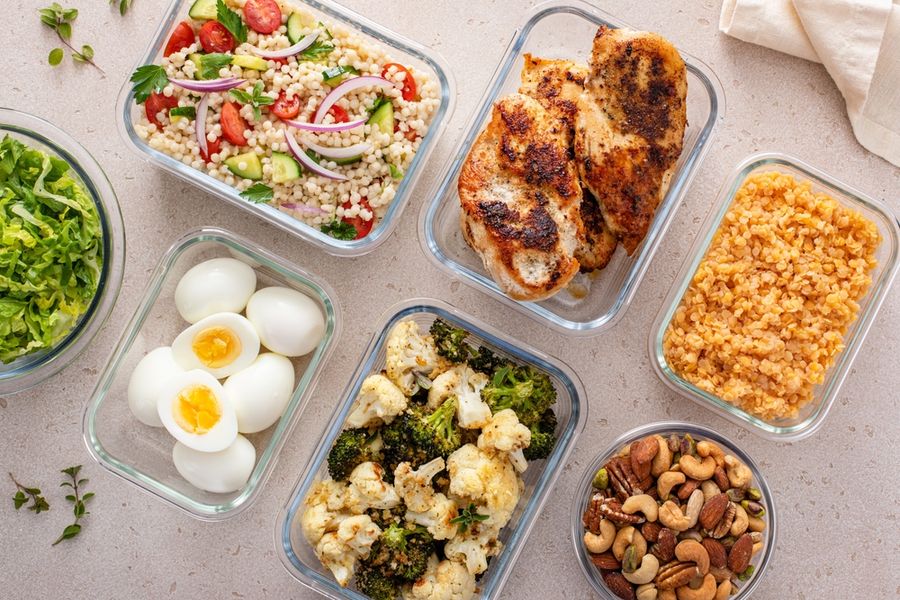
Storing leftovers seems simple, but the container you choose can affect taste, freshness, and peace of mind. Plastic is lightweight and convenient, while glass feels sturdier and more “kitchen classic.” The difference becomes more important when food is hot, oily, or acidic, or when containers have been used for years. Understanding how each material holds up over time can help keep meals safer, reduce waste, and make meal prep feel easier and more organized.
What “Safe” Really Means for Food Storage
Food storage safety isn’t only about preventing spills. It also includes how a container interacts with heat, fat, acidity, and repeated washing. Plastics can degrade over time, especially when exposed to high temperatures, scratches, or strong detergents, which is why older containers often become cloudy or warped.
Glass is nonporous and generally nonreactive, which means it won’t absorb odors or stains the way plastic can. It’s also easier to see when it’s truly clean, since residue doesn’t “hide” in scratches. For many households, “safe” ends up meaning predictable: a container that performs the same way after the 200th use as it did on day one.
Glass Containers: Strengths and Tradeoffs
Glass is a favorite for meal prep because it handles reheating well and doesn’t pick up smells from garlic, curry, or tomato sauce. It also tends to keep food tasting “cleaner” since the material doesn’t hold onto oils or pigments. When paired with a tight-fitting lid, glass can support better freshness by sealing well and resisting odor transfer between foods.
The tradeoffs are real, though. Glass is heavier, can chip if dropped, and takes up more space in cabinets. It also requires a little planning for transport, as glass is better for the fridge-to-oven lifestyle than the toss-it-in-a-bag commute. Many people land on a hybrid approach: glass for home storage and reheating, and a few durable, lightweight options for on-the-go needs.
Plastic Containers: Convenience, Wear, and When to Replace
Plastic shines when you need lightweight storage, kids’ lunches, or stackable containers that won’t shatter. It’s often cheaper, easy to find in a wide range of shapes, and less stressful to carry around. If your household packs lunches daily, plastic can feel like the practical default.
Over time, plastic is more likely to stain, retain odors, and show wear. Scratches and cloudiness are more than cosmetic. Damage can make containers harder to clean thoroughly. Containers that are cracked, warped, or no longer seal well are best retired, especially if they’ve been heavily microwaved or run through hot dishwash cycles. A good rule is to treat plastic like a “working” tool with a lifespan, not a forever product.
Heat Changes the Conversation: Microwaving and Hot Foods
Heat is where glass and plastic separate the most. Even when a container is labeled “microwave-safe,” that often refers to the container’s ability to withstand heat without melting or deforming—not a promise that nothing migrates into food. That’s why many experts recommend reheating in glass or ceramic whenever possible, especially for fatty foods that can get hotter and pull more compounds from plastics.
For leftovers like chili, pasta sauce, or stir-fry, a simple habit can reduce worry: store in whatever works, then transfer to a glass for reheating. If microwaving plastic is unavoidable, avoid heating when the container is scratched, stained, or very old, and keep high-heat cooking tasks (like roasting) reserved for oven-safe glass.
Chemicals and Microplastics: What to Know Without Panic
A lot of concern centers on chemicals like BPA and the broader topic of endocrine-disrupting compounds. Some products have shifted away from BPA, and regulatory guidance varies, but many people prefer minimizing exposure when easy choices exist—especially for daily-use items like food containers.
Microplastics are another growing area of research. Major health organizations note that evidence is still developing, with ongoing questions about exposure sources and long-term effects. While it’s unrealistic to avoid plastic in modern life entirely, small, reasonable changes can reduce contact points: avoid heating plastic, replace worn containers, and use glass for hot, acidic, or oily foods. Practical steps tend to matter more than chasing perfection.
A Simple “Best of Both” Storage System
A smart kitchen setup usually includes more than one material. Glass works well for meal prep, leftovers, soups, and anything you plan to reheat. Choose containers with locking lids and a few sizes that match your most common portions, so storing food feels automatic instead of messy.
Plastic can still earn a place for dry snacks, pantry storage, school lunches, and situations where breakage would be a problem. If you rely on plastic, prioritize newer, sturdy containers, avoid using damaged ones, and wash gently when possible to extend lifespan. For people who want another low-maintenance option, stainless steel containers can be durable and odor-resistant, though they aren’t microwave-friendly.
A Storage Choice That Supports Everyday Health
Glass tends to win for hot foods, reheating, and long-term durability, while plastic remains helpful for portability and daily convenience. A balanced system keeps the kitchen realistic: glass where heat and longevity matter, plastic where lightweight practicality matters most. Paying attention to wear, like scratches, stains, warping, and weak seals, can do more for safety than obsessing over labels.
Small habits add up. Let hot food cool slightly before sealing, avoid microwaving plastic when possible, and rotate out older containers before they become a problem. When storage feels clean, sturdy, and easy to use, healthier home cooking becomes easier to maintain day after day.