

A clean, healthy kitchen can still attract pests, especially during warmer months or when food is left out just a little too long. Fruit flies, ants, and pantry bugs don’t need much to move in: a sticky spot behind the toaster, a damp sink drain, or an open bag of flour is often enough. The good news is that most kitchen pests can be prevented naturally with a few consistent habits, simple storage upgrades, and targeted solutions that don’t rely on harsh sprays.
Start With the Biggest Pest Magnet: Crumbs, Grease, and Sticky Spots
Most kitchen pests aren’t showing up randomly. They’re following food smells, sugar residue, grease splatter, and tiny crumbs that are easy to miss during a normal day. A quick sweep after meals makes a bigger difference than most people expect, especially around the stove, under the table, and near pet bowls. It also helps to wipe cabinet fronts, backsplash areas, and appliance handles, since cooking oils can leave a thin film that attracts bugs.
Counters matter, but floors matter more. Ants and roaches usually start low and travel upward. If you only wipe counters but ignore baseboards and corners, pests still have a buffet. A simple weekly routine, such as vacuuming edges, wiping around trash cans, and cleaning under small appliances, removes the hidden buildup pests love.
Keep Your Sink and Drain Dry (Because Moisture Attracts Bugs Fast)
A sink that looks clean can still be a pest problem if it stays damp or has bits of food stuck in the drain. Many pests, especially fruit flies and roaches, are attracted to moisture as much as food. After washing dishes, take 30 seconds to rinse the sink, wipe it dry, and clear the drain area. That small habit makes the kitchen feel cleaner and less inviting to pests.
Drains deserve special attention. Fruit flies often breed in slimy buildup inside sink drains, garbage disposals, and even dishwasher drains. A natural weekly drain routine helps: pour a kettle of hot water down the drain, scrub the disposal splash guard, and use a small drain brush if needed. If odors linger, a mix of baking soda followed by vinegar can loosen buildup before a final hot water rinse.
Store Food Like a “No Free Snacks” Policy for Pests
Pests love easy access, and many common pantry items are basically an all-you-can-eat buffet. Flour, rice, cereal, crackers, sugar, and even pet food are huge targets. The simplest natural pest prevention strategy is switching from bags and cardboard boxes to sealed containers. Clear airtight containers also make it easier to spot a problem early, like pantry moths or tiny beetles.
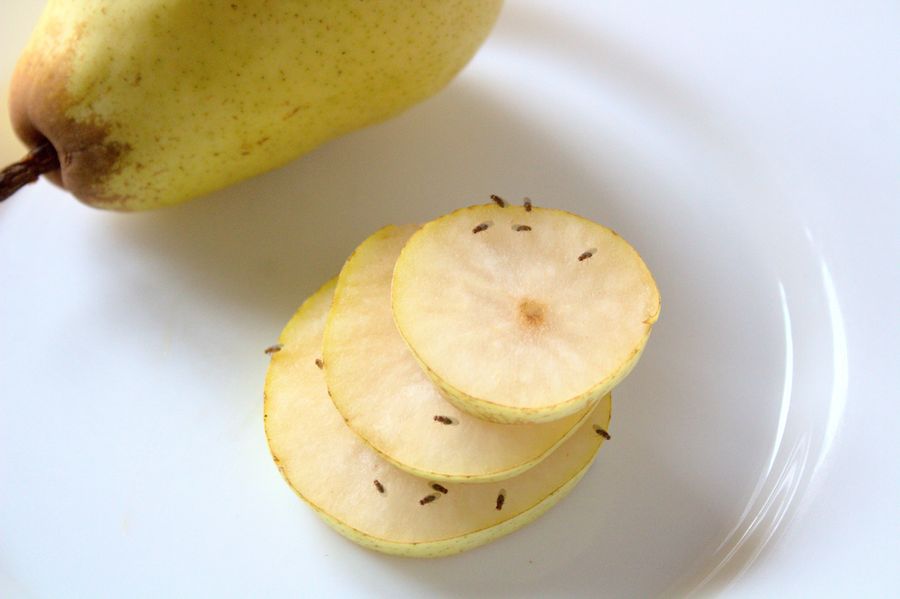
Don’t forget produce. Leaving fruit on the counter can attract fruit flies quickly, especially bananas, peaches, and tomatoes. If fruit ripens faster than your household can eat it, refrigerate it earlier or keep it in a covered bowl. Also, wipe jars, syrup bottles, honey containers, and cooking oil bottles, since sticky drips can attract ants and other pests even when everything looks “clean enough.”
Natural Fruit Fly Control That Actually Works
Fruit flies are one of the most common kitchen pests, and they’re also one of the most frustrating. They multiply quickly, and the source is often hidden. Overripe fruit is a common culprit, but drains, compost bins, recycling, and even damp sponges can keep them around. The first step is removing the breeding ground: toss overripe produce, rinse recyclables, empty compost daily, and scrub sink drains.
Then use a simple trap to catch the adults. A small bowl of apple cider vinegar with a drop of dish soap works well. The vinegar attracts them, and the dish soap breaks the surface tension so they sink. You can also cover the bowl with plastic wrap and poke a few tiny holes for a more contained trap. Once the source is gone, traps usually clear up the problem within a few days.
Stop Ants Without Sprays: Cut Off Trails and Seal Entry Points
Ants are persistent, but they’re also predictable. When one ant finds food, it leaves a scent trail that leads the rest of the colony right to your kitchen. That’s why wiping a counter isn’t always enough—trails need to be removed. A simple vinegar-and-water spray works well for this. Spray along baseboards, around windows, and anywhere ants are traveling, then wipe thoroughly to erase the scent.
Next, eliminate what attracts them. Keep sugar, cereal, bread, and snacks sealed. Wipe around the coffee station, toaster, and pet food area daily during ant season. If ants keep returning, check for tiny gaps near doors, pipes, and window frames. Sealing cracks with caulk and adding weather stripping is a natural, long-term fix. For a gentle deterrent, some households also use cinnamon or peppermint oil near entry points.
Don’t Forget the “Hidden Zones”: Trash, Recycling, and Small Appliances
Even a spotless kitchen can have pest issues if the hidden zones aren’t handled. Trash cans are one of the biggest offenders. Use a trash bag that fits properly, empty it regularly, and wipe the inside of the can weekly. If trash leaks happen, pests can linger even after the bag is removed. A sprinkle of baking soda in the bottom can help with odors that attract insects.
Recycling is another sneaky source. Rinse cans, bottles, and jars before tossing them in, especially anything that held juice, soda, or sauces. Small appliances matter too. Crumb trays in toasters, grease in air fryers, and residue under microwaves can all attract pests. A quick monthly clean under appliances and inside drawers can prevent infestations before they start.
A Kitchen That Stays Fresh, Clean, and Naturally Pest-Resistant
The most effective pest prevention isn’t a harsh chemical spray; it’s a kitchen routine that removes food, moisture, and hiding spots before pests get comfortable. When counters are wiped, floors are swept, sinks are dried, and pantry foods are sealed, most bugs lose interest fast. Natural methods also keep the kitchen safer for kids, pets, and anyone sensitive to strong fumes.
If pests do show up, treating the source is always more powerful than treating the symptom. A fruit fly trap works best when drains and produce are handled. Ant control works best when trails are erased, and entry points are sealed. With a few consistent habits, your kitchen can stay calm, clean, and pest-free all year long.