

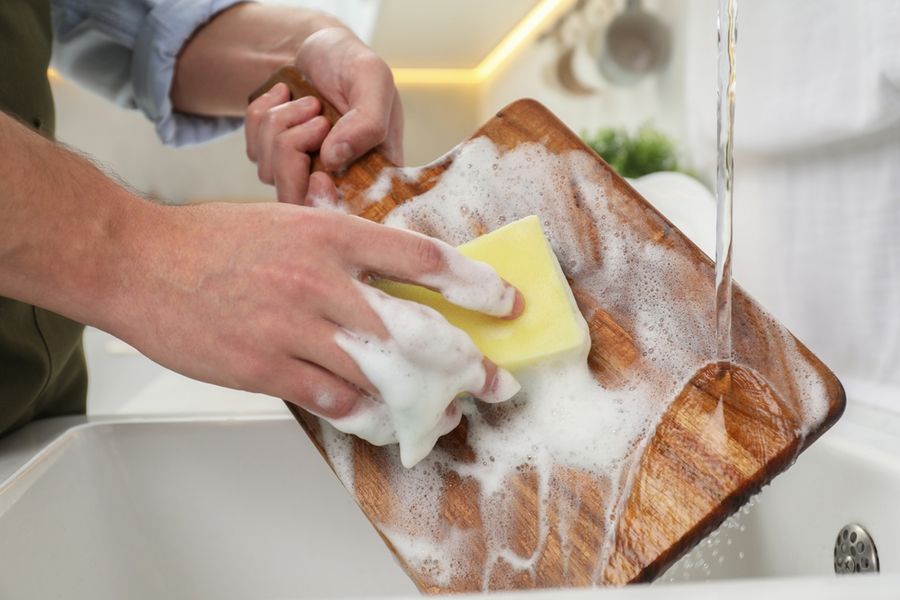
A cutting board might seem harmless, but it can quietly become one of the biggest sources of cross-contamination in your kitchen. Every slice of chicken, tomato, or apple leaves behind microscopic residue that bacteria love. Without proper cleaning and sanitizing, those pathogens can transfer to the next meal you prepare. Keeping cutting boards truly clean takes more than a quick rinse. A few consistent habits can protect your food, your family, and your peace of mind.
Understand the Difference Between Cleaning and Sanitizing
Cleaning and sanitizing are not the same thing, and both steps matter. Cleaning removes visible food particles, grease, and residue from the surface. This usually involves scraping off debris and washing with hot, soapy water. If food bits remain, bacteria can cling to them and continue multiplying even after a rinse.
Sanitizing goes a step further by reducing harmful microorganisms to safe levels. This can be done with heat—such as a dishwasher cycle for certain boards—or with a properly diluted sanitizing solution. Skipping sanitizing, especially after cutting raw meat, poultry, or seafood, increases the risk of foodborne illness. A clean-looking board isn’t necessarily a safe one unless both steps are part of your routine.
Wash After Every Use, No Exceptions
It’s important to wash cutting boards after every single use, even when preparing produce or bread. Fresh fruits and vegetables can carry bacteria from soil or handling, and those microorganisms can remain on the board’s surface if not washed properly. Hot, soapy water is the first and most essential line of defense.
Scrape off any remaining food with a spatula or bench scraper, then wash thoroughly with warm water and dish soap. Rinse with clean water and allow the board to air dry upright, or pat dry with clean paper towels. Avoid leaving boards flat on a wet counter, as trapped moisture encourages bacterial growth and can warp certain materials over time.
Prevent Cross-Contamination With Separate Boards
One of the safest kitchen habits is using separate cutting boards for different types of food. Raw meat, poultry, and seafood should have their own dedicated board. Fresh produce, bread, and ready-to-eat foods should be prepared on another surface. This simple separation dramatically lowers the risk of transferring harmful bacteria onto foods that won’t be cooked.
Color-coded boards can help make this system easy to follow. Even if you only have two boards, designating one specifically for raw animal products creates a safer workflow. If switching boards mid-meal prep isn’t possible, make sure to fully clean and sanitize before moving from raw protein to vegetables or anything that won’t undergo further cooking.
How to Sanitize Different Board Materials
Not all cutting boards should be sanitized the same way. Plastic, glass, and stainless steel boards can typically be placed in the dishwasher, where high heat helps kill pathogens. If a dishwasher isn’t available, a sanitizing solution made from one tablespoon of unscented liquid chlorine bleach per gallon of water can be used. Flood the surface, let it sit for several minutes, rinse, and air dry.
Wood and bamboo boards require more care. Dishwashers can crack or warp them due to heat and moisture. After washing with soap and water, sanitize by hand using a properly diluted bleach solution or a quaternary ammonium sanitizer labeled safe for food-contact surfaces. Dry wooden boards immediately with a clean towel to prevent water from soaking in, which can cause splitting or bacterial growth.
Tackle Stains and Odors the Right Way
Even well-maintained cutting boards can develop stains and lingering smells from onions, garlic, fish, or raw meat. For stubborn residue, natural methods can help break down buildup without damaging the surface. A paste made from baking soda and water can lift stains when gently scrubbed with a soft brush.
For odor removal, coarse salt paired with half a lemon can freshen plastic or certain wood boards. Sprinkle salt, rub with the cut lemon, let it sit briefly, then rinse and dry. Avoid harsh abrasive cleaners on wood, marble, or stainless steel surfaces, as they can damage the finish and create grooves where bacteria hide. Gentle but thorough cleaning keeps boards safe and looking better longer.
Maintain and Replace When Necessary
All cutting boards wear down over time. Deep grooves and knife scars create hiding spots for bacteria that are difficult to clean effectively. When boards become excessively scratched, warped, or cracked, it’s time to replace them. Even diligent sanitizing can’t compensate for heavy damage.
Wooden boards can sometimes be resurfaced instead of discarded. After cleaning and sanitizing, sanding the surface smooth with progressively finer sandpaper removes deep cuts. Once sanded, applying food-grade mineral oil or a mineral oil and beeswax blend restores moisture and protects the wood. Regular oiling also helps prevent drying and cracking, extending the life of the board while maintaining food safety.
A Safer Kitchen Starts With Small Habits
Cutting boards are used daily, often multiple times a day, which makes consistent care essential. Washing after each use, sanitizing appropriately, and separating boards by food type are small steps that create meaningful protection against foodborne illness. It’s less about perfection and more about building reliable routines.
A clean board supports every meal you prepare, from a quick sandwich to a holiday feast. When surfaces are properly maintained, you can cook with greater confidence, knowing your kitchen practices are protecting everyone at the table. Safe habits behind the scenes make all the difference in the food you serve.