

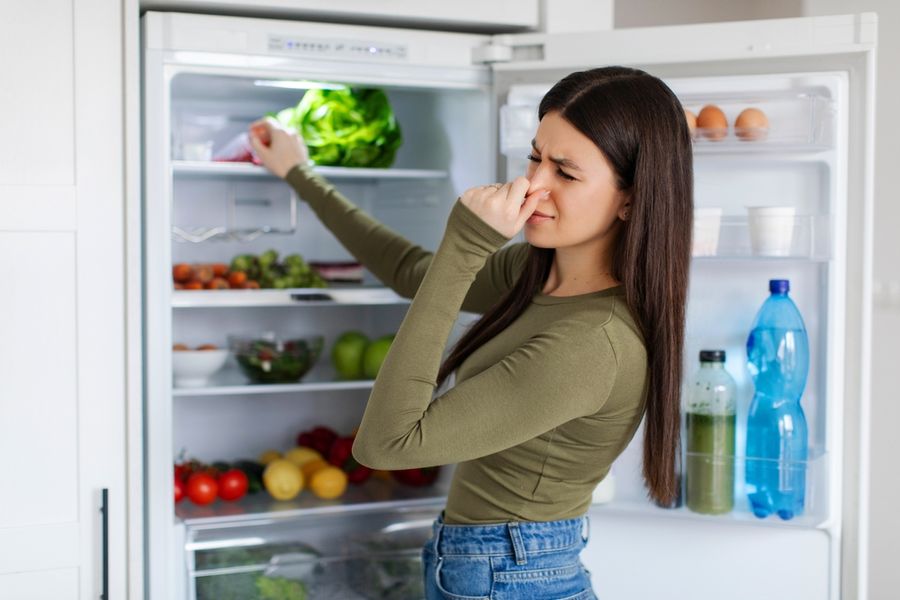
Food can spoil faster than expected, even when it looks like everything is stored properly. Small habits, like placing produce in the wrong spot or mixing certain items together, can quietly shorten shelf life and affect flavor. A well-organized kitchen isn’t just about neatness; it plays a big role in keeping food fresh longer. With a few smart adjustments, everyday groceries can last longer, taste better, and reduce unnecessary waste.
Storing Everything in the Fridge by Default
It’s easy to assume the refrigerator is the safest place for most foods, but that’s not always the case. Some items actually lose flavor and texture when chilled too soon. Tomatoes, for example, can become mealy and bland in the fridge, while bananas develop dark skins and stop ripening properly.
Other foods like onions, potatoes, and garlic also prefer a cool, dark pantry instead of cold storage. Refrigeration can introduce excess moisture, leading to faster spoilage or sprouting. Understanding which foods truly benefit from refrigeration helps preserve both taste and longevity while preventing unnecessary waste.
Keeping Ethylene-Producing Foods Together
Certain fruits release a natural gas called ethylene, which speeds up ripening. Apples, bananas, avocados, and pears are some of the biggest producers. When stored near sensitive produce like leafy greens or berries, they can cause nearby items to spoil much faster.
Separating high-ethylene fruits from delicate produce can extend freshness significantly. Store apples and bananas in their own area, and keep greens and berries in a separate drawer or container. Paying attention to how different foods interact can prevent premature spoilage and keep your fridge organized more effectively.
Washing Produce Too Soon
Washing fruits and vegetables right after bringing them home might seem like a good habit, but excess moisture can lead to faster decay. Water left on produce encourages mold and bacteria growth, especially for delicate items like berries and leafy greens.
It’s better to wait until just before use to wash most produce. For items that benefit from prep, such as lettuce, make sure they are thoroughly dried before storing. Adding a paper towel to containers can help absorb extra moisture and keep items crisp. Keeping produce dry is one of the simplest ways to extend freshness.
Storing Bread in the Refrigerator
Bread often ends up in the fridge in an attempt to keep it fresh longer, but cold temperatures actually cause it to stale more quickly. Refrigeration changes the structure of the starches, making bread dry and firm in a short amount of time.
For everyday use, bread is best kept at room temperature in a bread box or sealed bag. If you need to store it longer, freezing is a better option. Slices can be thawed or toasted as needed, maintaining better texture and flavor. Proper storage keeps bread soft and enjoyable instead of dry and disappointing.
Mixing the Wrong Foods in the Pantry
Some pantry items don’t store well together, even outside the fridge. Onions and potatoes are a common example. When stored side by side, onions release gases that can cause potatoes to sprout and spoil more quickly.
Root vegetables generally need airflow and separation to stay fresh. Store them in breathable containers or baskets in a cool, dark space. Keeping pantry items organized by type and storage needs prevents unnecessary spoilage and makes it easier to track what you have on hand.
Ignoring Proper Storage Containers
The type of container used for storage can make a noticeable difference in how long food lasts. Leaving items in flimsy packaging or open containers exposes them to air and moisture, which speeds up deterioration. This is especially true for leftovers, cut produce, and dry goods.
Airtight containers help maintain freshness by reducing exposure to air. Glass containers are especially useful because they don’t absorb odors and allow you to see what’s inside. Using the right containers also helps keep your fridge and pantry organized, making it easier to use food before it goes bad.
Freshness Starts With Smarter Habits
Keeping food fresh doesn’t require complicated systems or expensive tools. Small changes in storage habits can make a significant difference in how long groceries last and how good they taste. Separating certain foods, avoiding excess moisture, and choosing the right storage locations all contribute to better results.
With a little awareness and consistency, your kitchen can become more efficient and less wasteful. Food stays fresher, meals taste better, and fewer items end up being thrown away. A few simple adjustments can turn everyday storage into a smarter, more effective routine.