

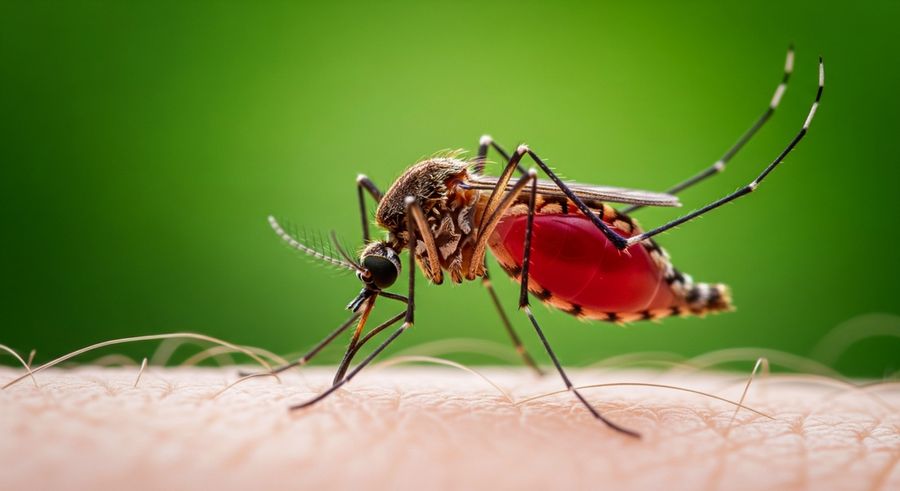
Nothing ruins a relaxing evening outside faster than mosquitoes. One minute the patio feels peaceful, and the next, it feels like a full-body swatting workout. While sprays and harsh yard treatments are common, they aren’t the only option. A yard can be made far less mosquito-friendly using simple, natural strategies that focus on prevention, airflow, and smart planting. With a few consistent habits, outdoor spaces can feel more comfortable without relying on heavy chemicals.
Remove Standing Water to Stop Mosquitoes at the Source
Mosquito control starts with one simple truth: mosquitoes need stagnant water to reproduce. Female mosquitoes lay eggs in standing water, and even small amounts can support larvae. Buckets, clogged gutters, empty planters, wheelbarrows, and kids’ toys left outside can become mosquito nurseries after a rainstorm.
Make it a weekly habit to scan the yard for anything that collects water. Birdbaths can stay, but they should be refreshed often or kept moving with a small fountain or water agitator. If a yard has drainage issues that cause puddling, addressing low spots or improving soil drainage can reduce mosquito breeding and make the outdoor space healthier overall.
Trim Long Grass and Reduce Shady Hiding Spots
Mosquitoes don’t just appear at dusk—they spend the day resting in cool, shady areas. Tall grass, overgrown weeds, and dense ground cover create the kind of windless shelter mosquitoes love. Keeping grass trimmed around patios, decks, seating areas, and walkways can reduce the number of mosquitoes lingering close to where people gather.
Shrubs and thick landscaping can also become mosquito hideouts, especially if they’re near standing water. Pruning overgrown bushes and clearing debris like fallen leaves improves airflow and reduces damp, shady areas. The goal isn’t to remove all greenery, but to prevent the yard from becoming a comfortable resting zone for mosquitoes.
Use Wind and Fans to Make Your Space Less Appealing
Mosquitoes are weak flyers, and wind makes it difficult for them to land. Airflow is one of the most underrated natural mosquito deterrents. A breezy patio often has far fewer mosquitoes than a still, humid corner of the yard. For outdoor dining or relaxing, a simple fan can make a dramatic difference.
A fan also helps disrupt the carbon dioxide and body heat mosquitoes use to locate people. Even a small box fan pointed toward a seating area can reduce bites significantly. For covered patios, ceiling fans or outdoor-rated fans provide ongoing airflow and make the space more comfortable in hot weather. Wind won’t eliminate mosquitoes completely, but it can reduce them enough to enjoy the outdoors again.
Plant Mosquito-Repelling Herbs and Flowers
Certain plants contain natural oils that mosquitoes dislike. Incorporating mosquito-repelling herbs and flowers around patios, walkways, and outdoor seating areas can help create a less inviting environment. Popular options include basil, rosemary, sage, lemon balm, marigolds, lavender, garlic, and catmint. Lemongrass and citronella-type plants are also commonly used for their strong scent.
For the best effect, place plants where people spend time rather than hiding them in distant garden beds. It also helps to gently crush or trim leaves occasionally, which releases more of the natural oils. While plants alone won’t eliminate mosquitoes, they can support a layered strategy and make the yard smell fresh and pleasant at the same time.
Maintain Outdoor Spaces to Reduce Moisture and Clutter
Mosquitoes thrive in damp environments, so reducing excess moisture helps. Keep outdoor furniture cushions dry, store items that collect rainwater, and avoid letting debris pile up. Leaf litter, damp mulch, and cluttered corners can create cool, humid pockets where mosquitoes rest.
Consider how water moves through the yard after rainfall. Downspouts that dump water near the patio can create persistent damp zones. Redirecting runoff, cleaning gutters, and improving drainage can reduce mosquito pressure. Even small maintenance tasks, such as emptying saucers under potted plants or storing watering cans upside down, remove breeding opportunities and make the yard feel cleaner and more comfortable.
Encourage Natural Predators in a Yard-Friendly Way
A healthy yard ecosystem can help reduce mosquitoes over time. Birds, bats, frogs, and beneficial insects all play a role in controlling mosquito populations. Supporting wildlife doesn’t require turning the yard into a wilderness, but small steps can make a difference. Native plants attract beneficial insects, while water features with moving water are less mosquito-friendly than stagnant ponds.
If a yard has a pond, adding circulation or a small pump can prevent it from becoming a breeding ground. Avoiding broad-spectrum pesticides is also important, since many chemical treatments kill beneficial insects along with pests. When the yard supports a balanced ecosystem, mosquito pressure can decrease naturally, especially when combined with standing-water control and airflow.
A More Comfortable Yard Starts With Consistent Habits
Natural mosquito control works best as a layered approach. Removing standing water prevents breeding, trimming overgrowth reduces resting areas, and airflow makes it harder for mosquitoes to land. Mosquito-repelling plants add another helpful layer, while simple yard maintenance reduces damp hiding spots that encourage swarms.
The most effective results come from consistency. A quick weekly yard check, a few strategic fans, and smart planting can make outdoor spaces far more enjoyable. With the right habits in place, patios, gardens, and backyards can feel comfortable again, without relying on heavy chemical sprays or treatments.