

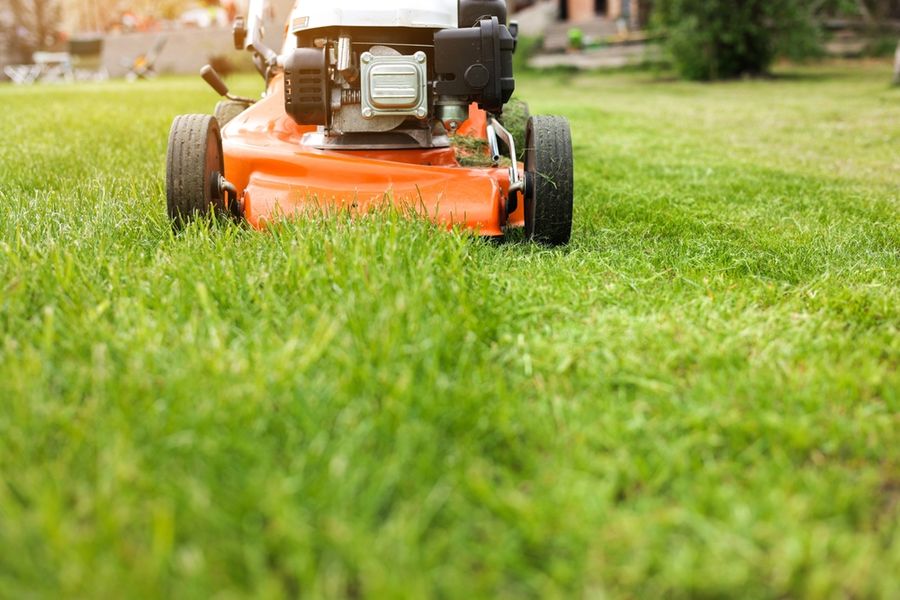
A healthy lawn does more than look good from the curb. Thick, green grass helps prevent erosion, cools the yard during hot months, and creates a soft space for outdoor living. Many lawns struggle not because they’re “bad,” but because mowing, watering, and feeding habits aren’t working with the grass’s natural growth cycle. With a few smart adjustments, a yard can become fuller, greener, and more resilient without relying on constant chemicals or expensive treatments.
Mow at the Right Height for Stronger Roots
Mowing height has a direct effect on lawn health. Cutting grass too short weakens it by reducing the plant’s ability to photosynthesize and maintain strong roots. A slightly taller lawn is more stress-tolerant, shades the soil, and helps block weed seed germination. Cool-season grasses such as fescue, Kentucky bluegrass, and ryegrass generally do well around 1.5 to 2.5 inches, while warm-season grasses like Bermuda and zoysia often prefer 1 to 2 inches.
Following the one-third rule also makes a major difference. Never remove more than one-third of the grass height at once, since drastic cuts shock the plant and can thin the turf. Consistent mowing encourages thicker growth and a healthier, greener appearance over time.
Keep Mower Blades Sharp and Avoid Wet Grass
Dull mower blades tear grass instead of cutting it cleanly. That tearing creates ragged edges that turn brown quickly and make the lawn look stressed. More importantly, torn blades are more vulnerable to disease, especially during warm or humid weather. Sharpening mower blades at least once per season helps keep cuts clean and reduces stress on the grass.
Timing matters too. Mowing wet grass often results in uneven cutting, clumping, and compacted soil. Wet conditions also make it easier for lawn diseases to spread. Waiting until the morning dew dries or mowing later in the day can lead to a cleaner cut and healthier turf. A simple habit shift—sharp blades and dry mowing—can improve lawn appearance almost immediately.
Water Deeply and Less Often for Better Growth
Watering is one of the most common lawn care mistakes, especially when it’s done too frequently. Light, frequent watering encourages shallow roots, which makes grass weaker and more prone to heat stress. Deep watering encourages roots to grow deeper into the soil, which improves drought tolerance and overall lawn strength.
Most lawns do best with about ½ to 1 inch of water per week during the growing season. Early morning watering is ideal because it reduces evaporation and gives the lawn time to dry, lowering disease risk. Placing shallow containers around the yard can help measure how much water sprinklers are delivering. A lawn with deeper roots stays greener longer and recovers faster from summer heat.
Feed the Lawn Naturally and Time Fertilizer Wisely
A lawn doesn’t always need heavy fertilizer to look lush. Leaving grass clippings on the lawn returns nutrients to the soil as they break down, acting as a natural fertilizer. Mulching mowers help by chopping clippings into smaller pieces that decompose more quickly. This reduces waste and supports healthier soil over time.
If fertilizer is needed, timing matters. Many lawns benefit from a light feeding in spring, but over-fertilizing early can create weak growth that struggles in summer heat. Late summer or early fall fertilizing often helps lawns recover from summer stress and build stronger roots for winter. Compost top-dressing is another gentle option that improves soil structure and encourages healthier growth without harsh chemical overload.
Prevent Weeds by Strengthening the Turf
Weed control becomes easier when the grass is thick and healthy. A dense lawn naturally crowds out weeds by limiting the sunlight and space that weed seeds need to germinate. Proper mowing height, deep watering, and healthy soil all work together to create that density. Many weed problems start when grass is scalped, stressed, or thinned out.
Spot-treating weeds is often more effective than blanket applications, especially if a homeowner prefers a lower-chemical approach. Pulling weeds early, filling bare patches with seed, and adding mulch to garden edges can reduce weed spread. In spring, crabgrass prevention may be needed in some climates, but long-term success still comes from healthy turf. A lawn that grows thickly is one of the best defenses against weeds.
Aerate, Dethatch, and Overseed for a Thicker Lawn
Soil health is often the missing piece in lawn care. Compacted soil prevents water, oxygen, and nutrients from reaching the roots, which weakens grass over time. Aeration removes small plugs of soil to open up the ground, improving root growth and allowing better absorption of water and fertilizer. Many lawns benefit from aeration in the fall, especially if the yard feels hard or sees heavy foot traffic.
Thatch is another issue that can block healthy growth. A thick, spongy layer of thatch prevents water and air from reaching the soil. Dethatching in late spring can help if the lawn has become overly spongy. Overseeding bare spots, especially in late summer or early fall for cool-season grasses, can also thicken the lawn and improve its overall appearance.
A Lawn That Stays Green Is Built on Habits
A greener yard doesn’t come from one magic product. It comes from mowing at the right height, watering deeply, and keeping grass healthy enough to crowd out weeds naturally. Sharp mower blades, proper timing, and leaving clippings in place all support a lawn that looks better with less effort. When soil health improves through aeration, compost, and overseeding, the results become even more noticeable.
The best lawn care routine is consistent and realistic. Small adjustments, made season by season, build stronger roots and thicker turf over time. With steady care, a lawn becomes more resilient, easier to maintain, and far more enjoyable as a true outdoor living space.