

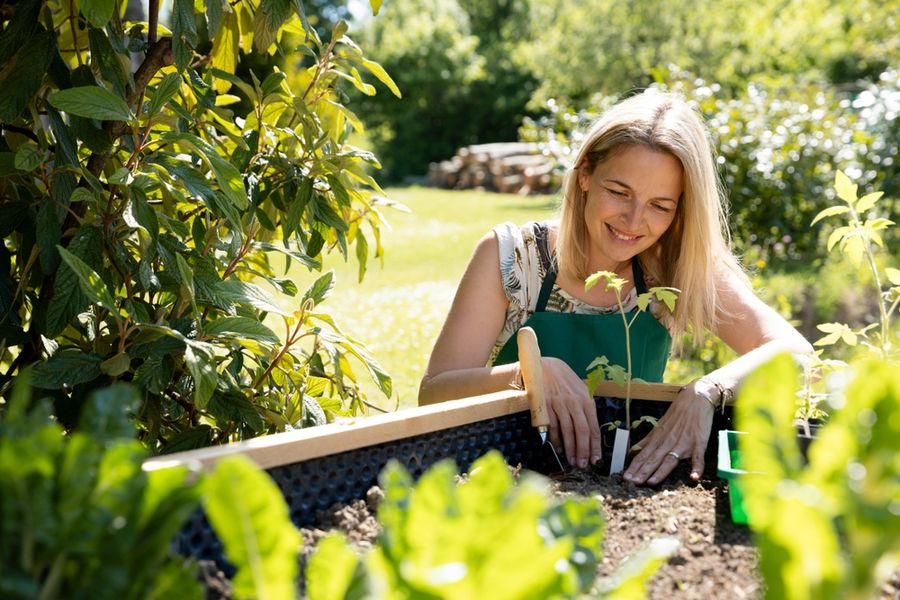
A backyard vegetable garden doesn’t need acres of land or expert-level skills. Even a small space can produce fresh herbs, crisp greens, and homegrown vegetables that taste better than anything from the store. The key is starting with a realistic plan that fits your lifestyle and your yard. With the right location, a few beginner-friendly crops, and simple maintenance habits, a small garden can quickly become one of the most rewarding outdoor projects to grow.
Choose a Sunny, Practical Location
Sunlight is one of the biggest factors in vegetable success. Most vegetables grow best with 6 to 8 hours of direct sun per day, especially fruiting plants like tomatoes, peppers, and cucumbers. Leafy greens can tolerate a little more shade, but a sunny location will give the widest range of planting options. It also helps to choose a spot that feels convenient—close enough to the house that watering and harvesting don’t feel like a chore.
Drainage matters too. Vegetables dislike “wet feet,” meaning soggy soil that stays waterlogged. If water pools after rain, raised beds or container gardening can prevent root rot and improve growth. Wind protection is another bonus, since strong gusts can damage young plants and make pollination harder.
Start Small With a Manageable Garden Size
A common beginner mistake is planting too much too soon. A smaller garden is easier to maintain, easier to water, and far less overwhelming during peak growing season. A 10x10-foot plot is often a comfortable starting point for in-ground gardening. For raised beds, a 4x4 or 4x8 bed is a great beginner-friendly size that still produces plenty of food.
Keeping the garden small also makes it easier to learn what works in your climate. Once you gain confidence, expanding is always an option. It’s also important to plan for pathways. Being able to reach the center of a bed without stepping on the soil prevents compaction and makes harvesting and weeding far easier.
Pick Beginner-Friendly Vegetables You’ll Actually Eat
The best starter garden focuses on easy, productive crops that match your household’s eating habits. Lettuce, green beans, radishes, carrots, beets, peas, and zucchini are often beginner favorites because they grow reliably and produce quickly. Tomatoes and peppers are also popular, though they tend to perform best when started from small nursery transplants rather than seeds.
Herbs are another great option for beginners. Basil, parsley, oregano, thyme, and rosemary take up very little space and deliver a big payoff in the kitchen. It also helps to mix in a few flowers such as marigolds, which can discourage pests and attract pollinators. A garden that includes both vegetables and flowers often stays healthier overall.
Decide Between Raised Beds, In-Ground, or Containers
Choosing the right growing setup depends on your yard and your time. In-ground gardens can work well if the soil is healthy and drains properly. However, many backyards have compacted or nutrient-poor soil due to construction, which can make in-ground gardening frustrating for beginners. Raised beds are a popular solution because they allow you to control the soil quality from day one.
Containers are another excellent option, especially for patios, decks, or small yards. Tomatoes, peppers, herbs, lettuce, and even cucumbers can grow well in pots with the right support and watering routine. Each method can be successful, but raised beds and containers often give beginners the fastest results because soil and drainage are easier to manage.
Build Healthy Soil With Compost and Organic Matter
Soil is the foundation of the garden, and vegetables grow best in nutrient-rich, well-draining soil. If you’re using raised beds, filling them with quality garden soil mixed with compost creates a strong starting point. For in-ground gardens, mixing compost into the existing soil improves texture, boosts nutrients, and helps the ground retain moisture without becoming soggy.
Healthy soil also supports healthier plants, which can reduce pest and disease problems later. Mulch is another helpful addition once plants are established. A layer of straw, shredded leaves, or bark mulch helps keep weeds down and prevents soil from drying out too quickly. Over time, compost and mulch work together to improve soil quality season after season.
Plan Planting Times and Layout for Better Results
Vegetables don’t all get planted at the same time. Cool-season crops like lettuce, peas, spinach, kale, and radishes grow best in early spring and can often be planted again in fall. Warm-season crops like tomatoes, peppers, cucumbers, and beans need warmer soil and are usually planted later in spring or early summer. Paying attention to planting seasons helps prevent crops from struggling in the wrong temperatures.
Layout also matters. Taller plants should go on the north side of the garden so they don’t shade smaller crops. Trellises for peas, pole beans, and cucumbers can save space and improve airflow. Staggering plantings, especially for greens and beans, helps spread out harvest time so everything doesn’t ripen at once.
Growing a Garden That Feels Fun, Not Stressful
A small backyard vegetable garden thrives when the plan stays simple. A sunny location, manageable size, beginner-friendly crops, and healthy soil set the stage for success. Raised beds or containers can make the process even easier by improving drainage and reducing weeds. Once the garden is planted, consistent watering, light maintenance, and regular harvesting keep plants productive.
The most rewarding gardens are the ones that fit real life. Starting small makes it easier to learn, adjust, and build confidence season after season. With time, even a modest backyard garden can provide fresh food, a relaxing hobby, and the satisfaction of growing something useful right at home.