

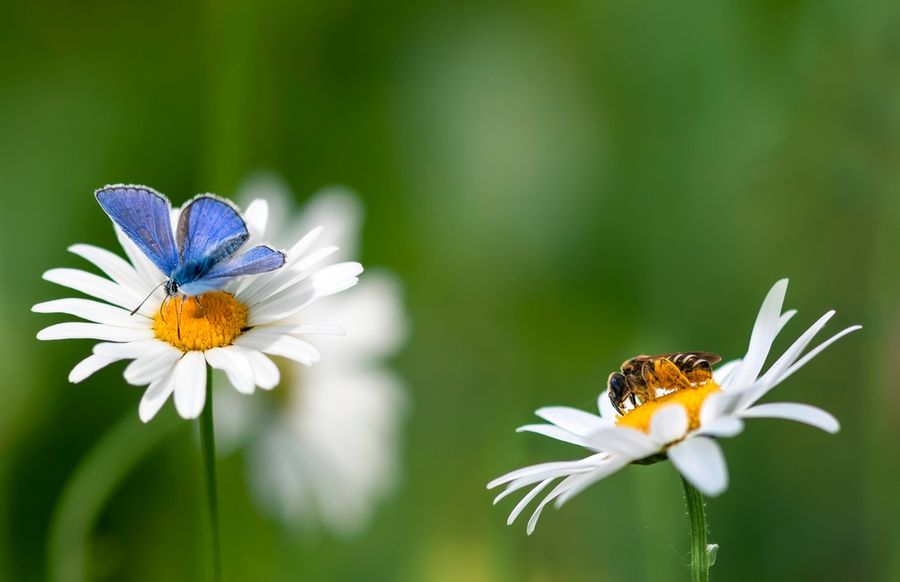
There’s something genuinely joyful about seeing bees drifting from bloom to bloom and butterflies weaving through the garden on a sunny afternoon. A pollinator-friendly garden brings that kind of life to your yard while supporting the creatures that help flowering plants reproduce. Many fruits, vegetables, and herbs rely on pollinators, which means a thriving garden can also support a thriving food system. With a little planning and the right plants, even a small yard can become a beautiful pollinator haven.
Start With Native Plants for the Biggest Impact
Native plants are one of the best choices for pollinator gardens because local pollinators evolved alongside them. Flower shapes, bloom timing, and nectar availability often match what native bees, butterflies, and hummingbirds need. Native plants also tend to be more resilient in local weather conditions, which usually means less watering, less fertilizing, and fewer pest issues once established.
A native plant garden supports more than just adult pollinators sipping nectar. Many butterflies and moths need specific host plants where they can lay eggs and where caterpillars can feed. Milkweed is a classic example because monarch caterpillars rely on it. When native plants are included, the garden becomes a full life-cycle habitat rather than just a feeding station.
Plan for Blooms From Spring Through Fall
Pollinators need food throughout the growing season, not just during peak summer. A successful pollinator garden includes flowers that bloom in early spring, midsummer, and late fall. Early blooms are especially valuable because they provide nectar when pollinators first become active, and few other plants are flowering.
Midseason plants like coneflowers, bee balm, catmint, salvia, and black-eyed Susans keep the garden buzzing through summer. Late-season bloomers like sedum, asters, and goldenrod help pollinators prepare for winter or migration. A garden with continuous blooms offers a steady food supply, making it far more useful to wildlife than a yard that only flowers for a few weeks.
Plant in Clusters to Attract More Visitors
A single flower here and there can look pretty, but it doesn’t always attract pollinators efficiently. Pollinators are more likely to visit when flowers are planted in clusters. A grouping of three to five of the same plant creates a stronger visual signal and makes feeding easier for bees and butterflies.
Cluster planting also makes the garden look more intentional and full. It creates natural “landing zones” and helps pollinators move efficiently from flower to flower. When designing the space, mixing heights and shapes also helps. Taller blooms in the back, medium plants in the middle, and low-growing flowers near edges create layers that are both attractive and functional.
Include Host Plants, Shrubs, and Small Trees
Many pollinator gardens focus only on nectar flowers, but host plants are just as important. Butterfly caterpillars often require specific leaves to survive. Without those host plants, butterflies may visit briefly but won’t reproduce in the garden. Including plants like milkweed, parsley (for swallowtails), or native shrubs that support caterpillars helps build a stronger ecosystem.
Shrubs and small trees also play a valuable role. They provide shelter, nesting habitat, and additional food sources. Native shrubs can support pollinators and birds at the same time, especially when they produce berries or seeds later in the year. Even one or two well-chosen native shrubs can dramatically increase the ecological value of a backyard garden.
Add Water and Shelter to Support Pollinators
Pollinators need more than nectar and pollen. A shallow water source helps bees and butterflies stay hydrated, especially in hot weather. A simple birdbath with stones or pebbles can provide safe landing spots. A shallow dish filled with water and rocks works well, too, as long as it’s refreshed regularly.
Shelter is another key element. Leaving a small patch of bare soil can support ground-nesting bees, while a pile of twigs or a natural garden corner can provide cover. Avoiding overly “sterile” landscaping helps pollinators feel safe. A garden that includes water and shelter becomes a more complete habitat, increasing the chance that pollinators will return year after year.
Avoid Harsh Chemicals and Use Organic Practices
A pollinator-friendly garden cannot thrive alongside heavy pesticide and herbicide use. Many common lawn and garden chemicals can harm bees, butterflies, and beneficial insects, even when applied carefully. Reducing chemical use is one of the most meaningful steps for protecting pollinators, especially during blooming periods when insects are actively feeding.
Organic practices help build healthier soil and stronger plants, which naturally reduces pest problems over time. Compost improves soil fertility without harsh chemical salts. Mulch helps regulate moisture and suppress weeds. Encouraging beneficial insects through plant diversity can also reduce the need for spraying. A healthy, balanced garden is often the best long-term pest control strategy.
A Garden That Feels Alive and Purposeful
A pollinator-friendly garden adds beauty, movement, and meaning to any yard. Native plants, continuous blooms, and clustered planting create a reliable food source from spring through fall. Host plants, shrubs, and small trees help support the full life cycle of butterflies and other pollinators, while water and shelter make the space more livable for wildlife.
Even small changes can make a difference. A few native flowers in a sunny corner, a shallow water dish, and a commitment to avoiding harsh chemicals can attract pollinators quickly. Over time, a pollinator garden becomes more than landscaping; it becomes a living space that supports nature while making the yard more vibrant and enjoyable every day.