

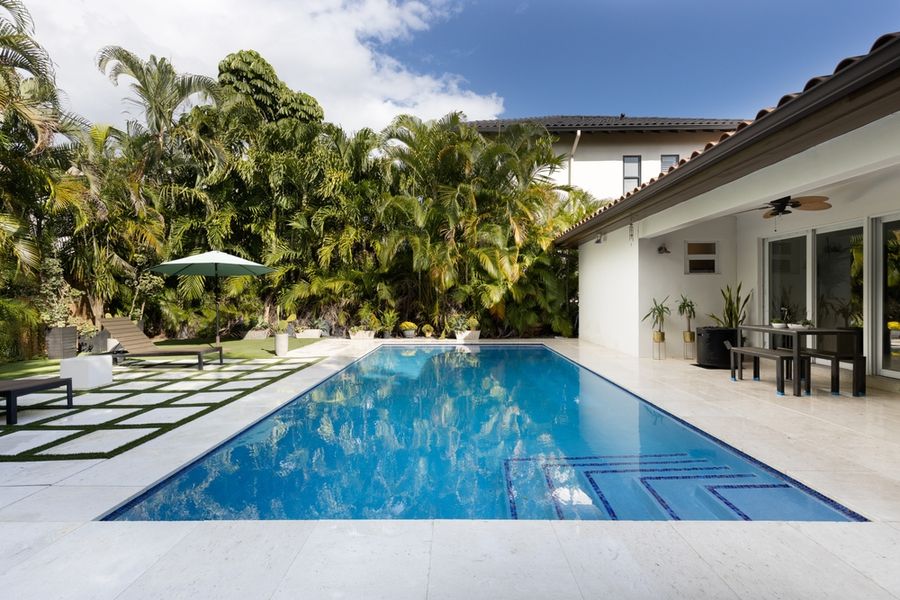
A backyard pool can turn ordinary weekends into mini vacations, add a fun fitness option at home, and create a natural gathering spot for family and friends. It’s also a major decision that affects budget, maintenance time, yard layout, and long-term plans for the property. The “right” pool isn’t always the biggest or fanciest. It's the one that fits the space, matches daily habits, and feels enjoyable to own year after year.
Match the Pool Type to Your Lifestyle
Start by thinking about how the pool will be used most often. For relaxed lounging and family play, a classic in-ground pool or a roomy above-ground pool can work well. If exercise is the priority, a lap pool offers a long, streamlined shape designed for swimming laps. Limited space can still support a great option—plunge pools provide a compact place to cool off, and swim spas allow swimming in place with a built-in current.
Specialty styles also influence both the look and the cost. Infinity pools create a luxury “vanishing edge” effect but typically require specific site conditions. Natural pools rely on plants and biological filtration for a more eco-friendly, pond-like experience. Indoor pools extend the swimming season but introduce humidity control and ventilation needs.
Consider Size, Depth, and Shape for Real-World Use
A pool should fit both the yard and the way people move through the outdoor space. A pool that consumes the entire backyard can limit seating areas, play space, gardens, or patios. Leave room for walkways, lounge chairs, dining space, and access points for maintenance. It also helps to consider sightlines from inside the house—many yards feel more open when the pool shape complements the home’s architecture rather than fighting it.
Depth matters just as much as footprint. Families often prefer a mix of shallow and deeper zones for flexibility, while a dedicated diving area requires greater depth and additional safety planning. For shape, rectangular pools feel clean and modern and support lap swimming well. Freeform shapes lean more resort-like and can blend beautifully with landscaping. L-shaped designs can separate play and swimming areas naturally.
Choose the Right Pool Material for Maintenance and Longevity
Pool material affects durability, texture, installation time, and upkeep. Vinyl liner pools are often popular because they can be more budget-friendly and offer plenty of liner patterns for customization. Liners do need replacement over time and can be vulnerable to punctures, so long-term planning matters. Fiberglass pools typically have a smooth surface that can be easier to clean and may resist algae buildup better, which can reduce routine scrubbing.
Concrete (often called gunite) offers the most flexibility for custom shapes and features, but it can involve longer build times and more ongoing surface maintenance depending on finish choices. The best material choice balances appearance with the amount of upkeep that feels realistic. Material decisions also influence comfort underfoot, water chemistry needs, and how the pool holds up over years of use.
Decide Between Chlorine, Saltwater, or Alternative Systems
Sanitation keeps water safe and clear, and the system selected affects comfort and maintenance routines. Traditional chlorine pools are common and straightforward, though water balance still requires attention. Saltwater pools use a salt chlorine generator to create chlorine, often producing a gentler feel that many swimmers find easier on their eyes and skin. Saltwater systems can reduce the need to handle chlorine products as often, but equipment and parts may require periodic servicing.
Natural pools take a different approach, using plants and biological filtration rather than standard chemical systems. That style can feel more organic and eco-minded, but it requires thoughtful design and a maintenance approach that differs from conventional pools. Heating is another related decision—gas, heat pumps, and solar heating can extend swim season, yet each option changes operating costs and planning.
Factor In Ongoing Costs, Maintenance Time, and Seasonal Reality
The upfront price of installation is only part of pool ownership. Ongoing expenses include water, electricity for pumps and filters, chemicals or salt, cleaning tools, repairs, and possibly heating. Larger pools generally cost more to operate simply because there’s more water to circulate, clean, and balance. A smaller pool or swim spa can deliver a similar lifestyle upgrade with less ongoing expense and less time spent maintaining it.
Maintenance preferences should guide features. If hands-on maintenance sounds stressful, consider options that reduce workload, like automatic cleaners, simplified shapes that trap less debris, and surfaces that are easier to brush. Climate also plays a role. In regions with cooler seasons, a cover and a clear winterizing plan can protect the investment. In hotter climates, shade structures and smart landscaping can keep the pool area more comfortable.
Check Safety, Permits, and Backyard Logistics Early
Local rules can affect what’s possible before design dreams go too far. Many areas have setback requirements from property lines and guidelines for fences, gates, and pool covers. Planning early prevents costly redesigns later. It’s also wise to consider access for construction equipment, drainage, and how water runoff will behave during storms. Sloped yards may require retaining walls, leveling work, or creative design solutions.
Safety planning should feel non-negotiable, especially for homes with kids, pets, or frequent guests. Secure fencing, self-latching gates, slip-resistant decking, and good lighting all add peace of mind. Thoughtful entry points such as wide steps, handrails, or a shallow lounging ledge can make the pool easier to use for a wider range of ages and abilities.
A Pool Choice That Feels Good for Years
The best backyard pool is one that fits daily life, not just a wish list. Pool type, material, shape, and sanitation system all influence how enjoyable ownership will feel after the novelty wears off. A well-planned layout leaves room for patios, gardening, and outdoor living, while a realistic approach to maintenance keeps the pool from becoming a chore.
A clear decision becomes easier when priorities are simple: how the pool will be used, how much upkeep feels manageable, and how the space should function beyond swimming. When the pool matches the yard and lifestyle, it becomes a true extension of the home—one that adds comfort, fun, and value season after season.