

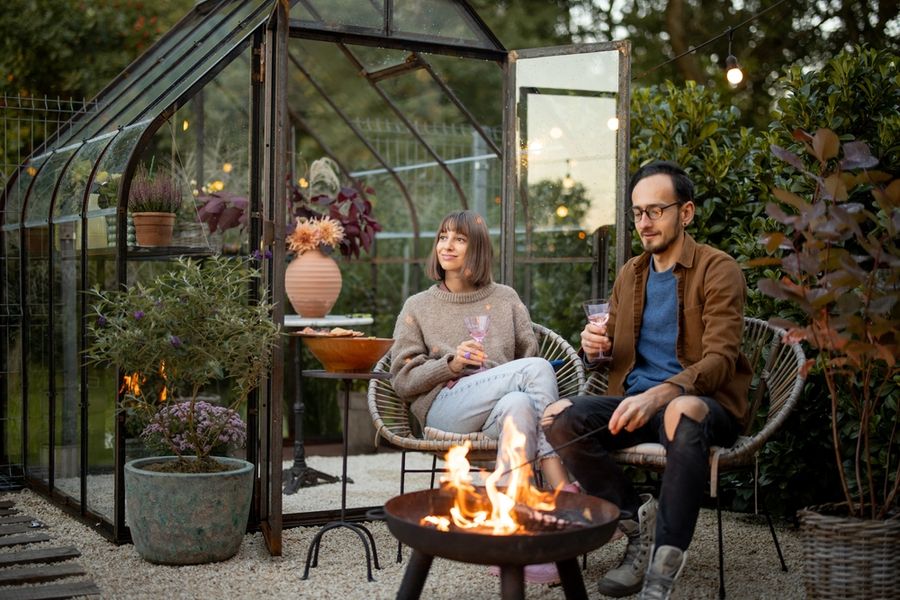
Warm evenings feel even better when there’s a cozy place to gather outside. A backyard fire pit adds warmth, ambiance, and a natural gathering spot for friends and family. The glow of a small fire turns an ordinary yard into a welcoming retreat for conversation, relaxation, and simple outdoor enjoyment. With thoughtful planning and a few smart design choices, even a modest yard can become the perfect setting for roasting marshmallows or enjoying quiet nights under the stars.
Choose a Safe and Suitable Location
The first step in creating a backyard fire pit area is choosing a safe location. Fire features should always sit on flat, stable ground away from structures, fences, or overhanging branches. Many homeowners place fire pits at least 10 to 20 feet away from houses, sheds, and other buildings to reduce fire risk. A level surface made from gravel, stone, or patio pavers works best because it prevents sparks from landing on grass or dry leaves.
Local regulations are another important consideration. Some cities restrict open flames or require permits for certain types of fire pits. Checking municipal guidelines and homeowners association rules ahead of time can prevent costly mistakes later. Wind patterns and nearby landscaping should also be considered so smoke drifts away from seating areas and neighboring homes.
Decide Between Wood-Burning and Gas Options
Fire pits come in a variety of styles, and choosing the right type helps determine how the space will function. Traditional wood-burning fire pits create the familiar crackling sound and smoky aroma that many people love. They’re often more affordable and can be built with basic materials like fire bricks or stone rings.
Gas fire pits, including propane fire tables, offer a cleaner alternative that’s easier to manage. With a simple switch or ignition button, flames appear instantly without the need to store firewood. Gas options also produce less smoke and require less cleanup. For homeowners who want convenience and minimal maintenance, a propane fire table can be a practical choice while still creating a cozy outdoor focal point.
Plan the Shape and Materials of the Fire Pit
The structure of the fire pit itself can range from simple to elaborate, depending on budget and style preferences. Circular fire pits remain the most common design because they encourage conversation and provide equal access to warmth from every side. Square or rectangular designs also work well, especially when paired with modern patio layouts.
Material selection plays a big role in durability and safety. Fire-rated bricks, natural stone, or metal inserts are commonly used because they tolerate high temperatures without cracking. Many homeowners install a metal fire ring inside the pit to protect surrounding materials from direct heat. Gravel or pavers around the base help define the area and prevent grass from creeping too close to the flames.
Build a Simple Wood-Burning Fire Pit
Building a basic wood-burning fire pit can be a manageable weekend project. Start by marking the desired diameter and removing a shallow layer of soil to create a stable base. Fill the space with gravel for drainage and compact it well to prevent shifting over time. A metal fire ring can then be placed in the center.
Stack fire bricks, retaining wall blocks, or stone around the ring to form the outer wall. Dry stacking works for many simple designs, though fire-resistant adhesive can provide additional stability. Once the pit is assembled, fill any gaps with gravel or sand. The result is a durable structure that safely contains flames while blending naturally into a backyard landscape.
Create Comfortable Seating Around the Fire
A fire pit becomes far more inviting when the surrounding seating encourages people to relax and linger. Outdoor chairs arranged in a circle create a natural conversation area while allowing everyone to enjoy the warmth of the fire. Adirondack chairs, cushioned patio seating, or simple benches all work well, depending on the style of the yard.
Consider adding outdoor pillows, weather-resistant blankets, or a small side table for drinks and snacks. Spacing chairs a few feet away from the flames keeps the area safe while still feeling cozy. Built-in seating walls made from stone or wood can also double as landscaping features that frame the fire pit area beautifully.
Add Lighting and Simple Outdoor Features
A fire pit area feels more inviting with a few thoughtful finishing touches. Soft outdoor lighting makes the space usable even after the fire burns down. String lights, solar pathway lights, or lanterns placed around the seating area create a warm atmosphere without overpowering the glow of the fire.
Ground materials can also elevate the design. Gravel, pavers, or a small patio pad define the fire pit zone and prevent muddy patches from forming. Adding planters, low shrubs, or decorative stones helps the space feel intentional and integrated with the rest of the yard. Even simple landscaping can transform a fire pit into a true outdoor destination.
Where Warm Nights and Good Conversations Begin
A backyard fire pit creates more than just a source of warmth. It becomes a gathering place where people slow down, share stories, and enjoy time outside long after the sun sets. Careful placement, safe construction, and comfortable seating turn a simple feature into the heart of an outdoor space.
Whether built with stacked stone and firewood or powered by a sleek propane fire table, the result is the same: a welcoming outdoor retreat. With the right setup, your backyard can become a favorite evening destination for quiet reflection, family moments, and memorable nights around the fire.