

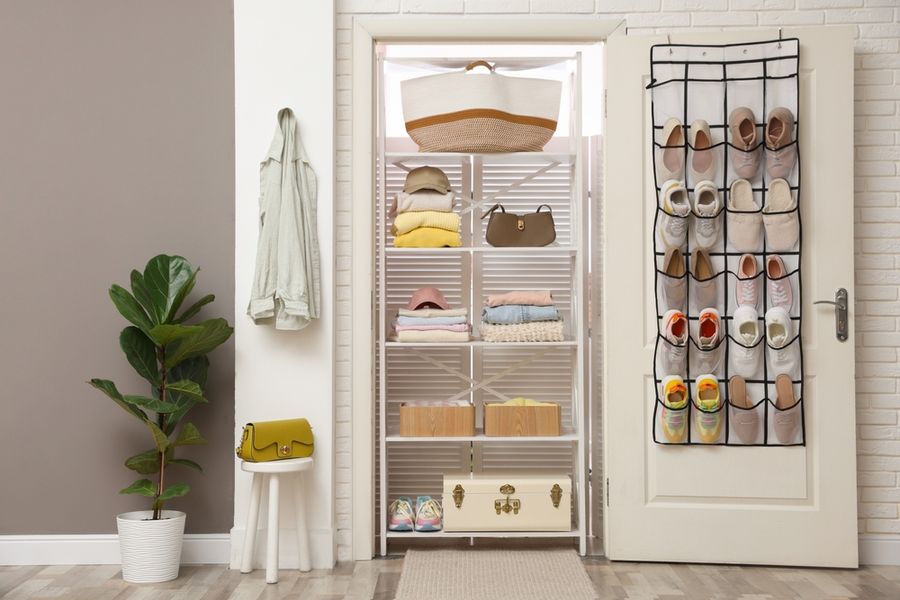
Small spaces have a way of feeling crowded fast. A few extra shoes by the door, stacks of mail on the counter, or bulky furniture can quickly overwhelm limited square footage. Yet compact living can feel open and peaceful with the right approach. Smart organization isn’t about squeezing more into a room; it’s about being intentional with what stays and where it lives. Thoughtful systems make even the tiniest apartment feel efficient, breathable, and surprisingly spacious.
Start With a Ruthless Declutter
Organization works best when there’s less to organize. In a small space, excess belongings steal valuable breathing room. Begin by removing anything unused, duplicated, or no longer loved. Clothing that hasn’t been worn in a year, extra kitchen gadgets, or décor that feels outdated can quietly consume storage potential.
Frequent purges keep clutter from returning. A quick monthly review of drawers, shelves, and closets prevents buildup from spiraling. The less you own, the easier it becomes to maintain order. In compact homes, every item should justify the space it occupies. Letting go first ensures that the systems you put in place actually work long term.
Utilize Vertical Space
When floor space is limited, look up. Walls offer untapped storage potential that can dramatically increase capacity without crowding the room. Floating shelves, tall bookcases, and wall-mounted hooks keep items accessible while freeing up valuable square footage below.
Vertical storage works especially well in kitchens, bathrooms, and entryways. Hanging pots, adding over-the-door organizers, or installing slim shelving above desks creates functional storage without bulk. Tall cabinets draw the eye upward, making ceilings appear higher. Maximizing vertical space transforms cramped areas into efficient zones while maintaining openness.
Make Furniture Work Harder
In small homes, furniture should serve more than one purpose whenever possible. A bed with built-in drawers, an ottoman that opens for storage, or a coffee table with hidden compartments reduces the need for extra storage pieces. Multipurpose furniture eliminates clutter while preserving style.
Consider foldable or expandable pieces for added flexibility. Drop-leaf tables, nesting side tables, or wall-mounted desks can adapt to daily needs without permanently occupying space. Choosing pieces that provide both function and storage ensures that every item contributes to organization instead of competing with it.
Use Every Nook and Cranny
Small spaces hide surprising storage opportunities. Under-bed bins can hold seasonal clothing, extra bedding, or shoes. Closets benefit from added shelves, hanging organizers, and slim bins to maximize vertical depth. Even narrow gaps between appliances can fit rolling storage carts.
Areas like under the stairs, above door frames, or inside cabinet doors often go overlooked. Hooks, slim racks, and labeled containers transform forgotten corners into practical solutions. Making use of every nook doesn’t mean cramming items into tight spaces; it means thoughtfully assigning underused areas to purposeful storage.
Create Defined Zones
Clear zones help small spaces feel organized rather than chaotic. Even in studio apartments, defining separate areas for sleeping, working, and relaxing creates structure. Rugs, shelving units, or furniture placement can visually separate spaces without walls.
Assigning each category of items a specific home also prevents clutter migration. Office supplies belong in one drawer, workout gear in one basket, and daily essentials in a designated tray. When everything has a clear place, tidying becomes quicker and less stressful. Defined zones bring order to compact layouts.
Keep Surfaces Clear and Minimal
Visual clutter makes small spaces feel even smaller. Keeping countertops, desks, and nightstands mostly clear instantly creates the illusion of more room. Store daily-use items in drawers or baskets rather than spreading them across flat surfaces.
Decor should be intentional and limited. A few well-chosen pieces feel curated, while too many create a distraction. Clear surfaces also make cleaning easier, reducing the temptation to let clutter accumulate. Minimalism doesn’t mean empty rooms; it means giving items enough space to breathe.
Maintain Simple, Flexible Systems
Organization in a small space requires maintenance. Simple systems, like labeled bins, matching containers, and clear dividers, make it easier to keep everything in order. When storage is intuitive, putting items away becomes automatic.
Flexibility is just as important. Needs shift with seasons and lifestyle changes, so systems should adapt easily. Periodic reassessment keeps spaces functional rather than stagnant. A small home thrives on routine edits and small adjustments that prevent overwhelm.
Living Large in a Small Footprint
A compact home can feel expansive with thoughtful planning. Decluttering often, using vertical space, and choosing multipurpose furniture create breathing room where square footage is limited. Every nook holds potential when approached creatively.
Organization in a small space isn’t about perfection; it’s about intention. When belongings are curated, and systems are simple, rooms feel lighter and more manageable. With smart strategies in place, even the smallest footprint can support comfort, clarity, and calm every single day.