

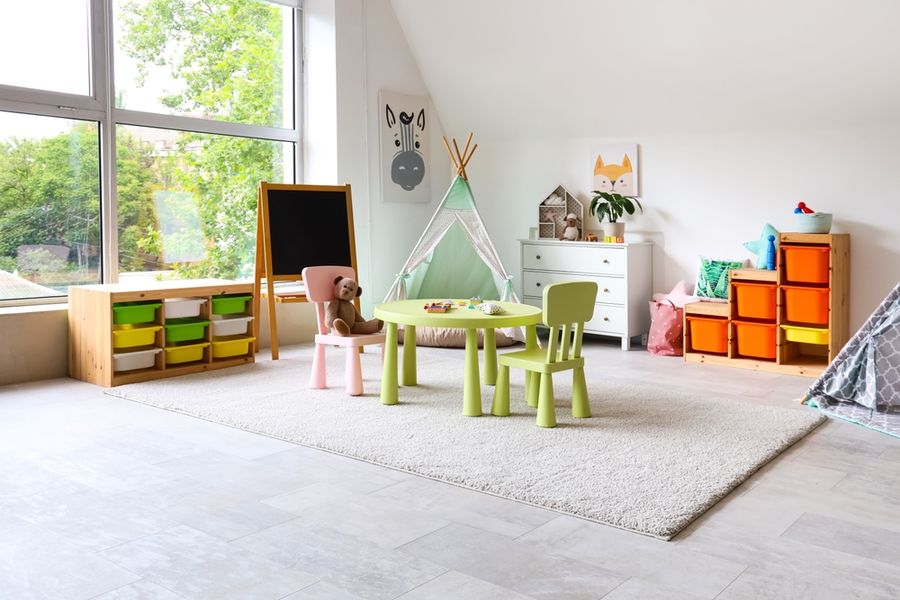
Kids’ toys have a magical ability to multiply overnight. One minute the floor is clear, and the next you’re stepping on a LEGO like it’s a personal attack. The good news is toy organization doesn’t have to mean perfectly staged shelves or constant nagging. The best systems make it easy for kids to find what they want and even easier to put it back. With a few smart storage choices and regular decluttering, your home can feel calmer without ruining the fun.
Declutter Regularly So Toys Don’t Take Over
The fastest way to organize toys is to own fewer of them. When bins are overflowing, kids can’t see what they have, so they dump everything out and lose interest quickly. A simple decluttering rhythm keeps the toy collection manageable and makes cleanup far less overwhelming.
Aim to sort toys a few times per year, especially before birthdays and holidays. Toss broken items, recycle missing-piece sets, and donate toys your child has clearly outgrown. If you’re unsure about something, try a “toy timeout” box in a closet for a month. If no one asks for it, it can probably go. Decluttering first makes every other organizing step work better.
Use Clear Storage Cubes for Small Pieces
Toys with lots of pieces are the hardest to keep contained. Clear storage cubes solve this problem because kids can see exactly what’s inside without dumping bins out. They’re especially helpful for LEGO, magnetic tiles, train tracks, Hot Wheels, doll accessories, and pretend food.
Pair clear bins with a cube shelf for an easy, kid-friendly setup. Keep the most-used categories on lower shelves so kids can access them independently. If your child is younger, choose bins that aren’t too heavy when full. The goal is to create a system where your child can grab, play, and put things away without needing help every time.
Store Games and Sets in Zipper or Drawstring Bags
Board game boxes and toy packaging take up a ridiculous amount of space. Large plastic zipper storage bags are a smart alternative because they compress bulky items and make stacking easier. They’re perfect for puzzles, board games, and sets with multiple components.
Drawstring bags work well for oddly shaped games or toys that don’t fit neatly in flat bags. You can toss several drawstring bags into one larger basket and still keep everything sorted. Add a label to each bag so pieces don’t get mixed together. This method also makes it easier to take toys on the go, which is a nice bonus for travel or restaurant outings.
Create Toy Zones So Everything Has a “Home”
Toy clutter often happens because categories get mixed together. When action figures end up in the craft bin and puzzle pieces land in the dress-up basket, cleanup becomes frustrating for everyone. Creating simple zones keeps your play area functional and helps kids learn where things belong.
Common zones include building toys, pretend play, art supplies, books, and games. Even if toys live in the living room, zones still work—just assign a shelf, basket, or drawer to each category. Grouping like items together also helps kids play longer because they can actually find what they need without constant digging.
Maximize Vertical Space With Tall Shelves and Wall Storage
When floor space is limited, vertical storage is your best friend. Tall bookshelves can hold a surprising amount of toys while keeping everything visible and easy to reach. Place bins or cubes on the bottom shelves and reserve higher shelves for display-style storage, like trucks, dolls, or larger items.
Wall storage can also make a big difference. Pegboards, hanging baskets, or wall-mounted book ledges are great for small toys, books, and craft supplies. A slim rolling cart is another smart option, especially for art supplies, Play-Doh tools, and coloring books. Vertical storage reduces clutter without making the room feel cramped.
Labels Make Cleanup Faster for Everyone
Labels are one of the simplest ways to get kids involved in cleanup. When everything is clearly marked, kids don’t have to guess where items go. Labels also prevent the “stuff it anywhere” method that usually turns into one giant junk bin.
For younger kids, picture labels work better than words. For older kids, simple text labels keep things clean and easy. Label bins, zipper bags, drawers, and shelves. You don’t need anything fancy. A basic label maker or even masking tape and marker gets the job done. The more obvious the system is, the more likely kids are to follow it.
A Toy System That Actually Stays Organized
A tidy toy area isn’t about having less fun; it’s about making play easier and cleanup less stressful. Decluttering regularly keeps the collection from turning into chaos, while clear bins, zones, and labels create a system kids can actually use. The best toy storage works with your real life, not against it.
Once everything has a simple home, daily pickup becomes a quick reset instead of a full-blown battle. With a few smart organizing upgrades, your space can feel calmer, your kids can play more independently, and you’ll stop finding tiny toys in the most cursed places imaginable.