

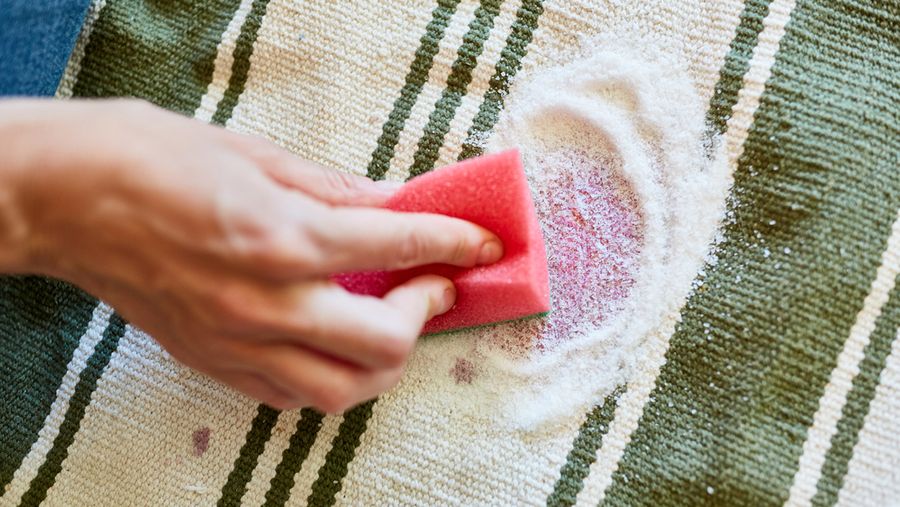
Spills happen at the worst possible times: coffee on a white shirt, grease on the couch, red sauce on the carpet. Store-bought stain removers promise quick fixes, but many contain strong fragrances and harsh chemicals that aren’t always necessary. Simple household ingredients can tackle most everyday messes just as effectively. With a few pantry staples and the right combinations, it’s possible to treat stains quickly while keeping fabrics, carpets, and surfaces fresh and safe.
A Simple Baking Soda, Dish Soap, and Peroxide Paste for Clothing
One of the most effective all-purpose clothing stain removers uses three ingredients: baking soda, hydrogen peroxide, and liquid dish soap. Baking soda helps lift odors and gently scrub fibers, dish soap breaks down grease, and hydrogen peroxide helps fade discoloration. Mixed together into a thick paste, the combination works well on food stains, grass, sweat marks, and even light wine spills.
Apply a small amount directly to the stain and gently rub with a soft brush or cloth. Let it sit for at least 15 minutes before washing as usual. Because hydrogen peroxide has mild bleaching properties, test a hidden area first on dark fabrics. Store any mixture in a dark container, since light can reduce peroxide’s effectiveness over time.
Two-Ingredient Emergency Spray for Fresh Stains
When a spill happens quickly and needs fast action, a simple blend of hydrogen peroxide and dish soap can help. Combined in a spray bottle, this mixture works particularly well on fresh stains like coffee, wine, juice, and food splatter. The soap loosens the stain while the peroxide lightens discoloration.
Spray lightly onto the affected area and blot gently with a clean cloth. Avoid rubbing aggressively, which can push the stain deeper into fibers. Let the solution sit for 20 to 30 minutes before rinsing or laundering. As with any peroxide-based solution, test first on darker fabrics or delicate materials. Keeping a small spray bottle under the sink can make quick cleanups much less stressful.
Red Wine Rescue: Club Soda, Vinegar, and Salt
Red wine spills may look dramatic, but quick action can prevent permanent damage. Start by blotting (never rubbing!) the spill with a clean cloth. Pour a small amount of club soda onto the area and blot again. The carbonation helps lift pigment from fibers. Repeat as needed until the stain fades.
If color lingers, mix one tablespoon of dish soap and one tablespoon of white vinegar with two cups of water. Apply gently and blot until clean. For dried stains, dampen the area slightly and cover generously with salt. Let it sit overnight. The salt will absorb the remaining pigment and often turn pink as it pulls the stain upward. Vacuum in the morning for a refreshed surface.
Grease and Oil Stains on Fabric and Upholstery
Grease stains can be stubborn because oil repels water. Dish soap is particularly effective for breaking down oils, which makes it a natural first step. Apply a small amount directly onto the grease mark and gently work it in with your fingers or a soft brush. Let it sit for 10 to 20 minutes before rinsing or washing.
For tougher stains on upholstery or carpet, sprinkle baking soda over the area first to absorb excess oil. Let it sit for at least 15 minutes, then vacuum thoroughly before applying a diluted dish soap solution. Blot gently until the stain lifts. Avoid oversaturating furniture fabrics, and always test a hidden area before full application.
Natural Deodorizing and Sweat Stain Solutions
Underarm stains and lingering odors can make clothing look worn long before its time. White vinegar is especially helpful for breaking down deodorant buildup and neutralizing odor-causing bacteria. Soak the stained area in equal parts vinegar and water for about 30 minutes before laundering.
For visible yellowing, a paste made from baking soda and a small amount of water can be applied directly to the area. Gently scrub with a toothbrush and let it sit before washing. Lemon juice combined with sunlight can also help brighten whites naturally, though this method is best reserved for light fabrics. Always rinse thoroughly before drying to prevent residue from setting into fibers.
Carpet and Surface Spot Treatments Without Harsh Chemicals
Carpet stains benefit from gentle, layered treatment. Start by blotting with cold water to dilute the spill. For many common stains, a baking soda paste made from three parts baking soda and one part water can be spread over the area and left to dry. Once fully dry, vacuum thoroughly to remove residue.
For tougher marks, a mild solution of vinegar and dish soap diluted in water can help neutralize color and lift residue. Apply sparingly and blot rather than scrub. Hydrogen peroxide can also be effective for light-colored carpets, but always test first due to its bleaching effect. Patience and repeated blotting often produce better results than aggressive scrubbing.
A Safer, Simpler Way to Handle Everyday Messes
Natural spot cleaners rely on ingredients that many households already keep on hand. Baking soda, vinegar, hydrogen peroxide, salt, and dish soap can handle most common stains without overpowering scents or harsh fumes. Keeping a few pre-mixed solutions ready can turn a stressful spill into a manageable cleanup.
While no single formula works for every fabric or surface, combining gentle ingredients with prompt action delivers impressive results. Always test in an inconspicuous spot, avoid excessive moisture, and let solutions sit long enough to do their work. With a little preparation and consistency, homemade stain removers can become a dependable part of any cleaning routine.