

A home can look spotless while still holding onto old, worn-out items that quietly collect germs, dust, and odors. Many everyday household essentials have a “useful life” that’s shorter than most people realize. Replacing a few key items on a regular schedule helps your home feel fresher, improves air quality, and can even prevent bigger issues like mold or appliance strain. The good news is that most replacements are simple, affordable, and easy to build into a routine.
Sponges, Dish Brushes, and Kitchen Towels
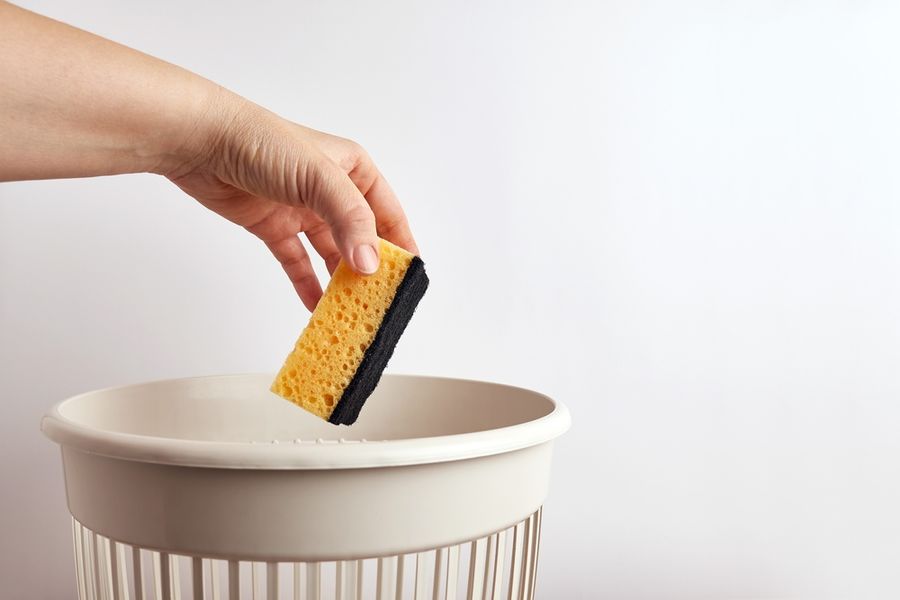
Kitchen sponges are one of the fastest items to become unhygienic. Because they stay damp and trap food particles, they can quickly become a breeding ground for bacteria. Many experts recommend replacing a sponge every one to two weeks, especially if it starts to smell or fall apart. Dish brushes last longer, but should still be replaced every few months, depending on use.
Kitchen towels also need more attention than most households give them. Dish towels used for drying hands or wiping counters should be washed every few days. If a towel is used to clean up raw meat juices or spills, it should go straight into the laundry. Keeping a rotation of clean towels prevents odors and helps reduce cross-contamination.
Pillows, Bedding, and Bath Linens
Pillows are easy to forget because they look fine long after they’ve worn out. Most pillows should be replaced every one to two years, depending on the material and how well they’re cared for. If a pillow stays flat, feels lumpy, or causes neck discomfort, it’s past its prime. Allergies can also worsen when pillows hold onto dust mites and sweat over time.
Bath towels and washcloths don’t need frequent replacement, but they do need proper washing and drying. If towels remain musty even after laundering, it may be time to replace them. Bath mats are another common culprit for hidden mildew. Many should be replaced every one to two years, especially if the backing starts to crack or the fabric never fully dries.
HVAC Filters and Air Quality Essentials
HVAC filters have a direct impact on indoor air quality, and they need regular replacement to work properly. Many households should replace filters every one to three months. Homes with pets, allergies, or heavy HVAC use often benefit from monthly replacement. A clogged filter forces the system to work harder, which can raise energy costs and shorten equipment life.
Other air-related items have replacement schedules too. If you use an air purifier, the filter replacement timing depends on the model, but it often ranges from every three to twelve months. Vacuum filters also matter, especially for homes with carpet and pets. Keeping filters fresh helps reduce dust buildup and keeps your home smelling cleaner overall.
Shower Curtain Liners, Loofahs, and Bathroom Tools
Shower curtain liners are a major “out of sight, out of mind” item. Many plastic liners should be replaced every three to six months, especially if mildew spots start forming along the bottom. Some liners can be washed, but once the material becomes stiff, cloudy, or stained, replacement is usually the best option.
Loofahs and shower sponges also need frequent replacement. Because they stay damp and are used on skin, they can harbor bacteria and mold. A good rule is to replace a loofah every three to four weeks. Razors should be replaced every one to two weeks, depending on use, and old toothbrushes should be swapped every three months or sooner after illness.
Cleaning Tools That Stop Working (Even If They Look Fine)
Many cleaning tools wear out long before people notice. Mop heads and reusable microfiber cloths can lose effectiveness as fibers break down. Microfiber cloths can last a long time with proper care, but if they stop picking up dust or start feeling rough, it’s time to replace them. Mop heads should be replaced every two to three months for frequent use, especially if they develop odors.
Vacuum rollers and attachments also need attention. If a vacuum seems less effective, hair and debris may be clogging the brush roll. Some parts can be cleaned, but belts and filters often need replacement periodically. Brooms wear down, too. Once bristles bend and stay splayed, sweeping becomes much less effective.
Food Storage, Pantry Items, and Kitchen Basics
Food storage containers last longer when made from glass, but plastic containers tend to stain, warp, and hold odors over time. Any plastic container that is cracked, cloudy, or misshapen should be replaced. Lids that no longer seal properly should also be tossed, since airtight storage keeps food fresher and reduces waste.
Cutting boards are another household item that often needs replacement sooner than expected. Plastic boards should be replaced when deep grooves form, since bacteria can hide in the scratches. Wooden boards can sometimes be sanded and resealed, but if they crack or warp, replacement is the safer choice. Even water bottles and travel mugs can wear out if seals break down or odors linger permanently.
A Simple Replacement Routine That Keeps Your Home Fresh
Replacing household items regularly isn’t about perfection; it’s about preventing buildup, odors, and hidden germs from taking over. A few small swaps each month can keep your home cleaner with less effort. Many people find it helpful to link replacements to seasons, holidays, or a monthly reset day so nothing sneaks up all at once.
A fresh home is often the result of quiet maintenance behind the scenes. When sponges, pillows, HVAC filters, and shower liners are replaced on schedule, the whole space feels cleaner and healthier. Over time, this kind of routine makes daily cleaning easier, improves comfort, and helps the home run more smoothly.