

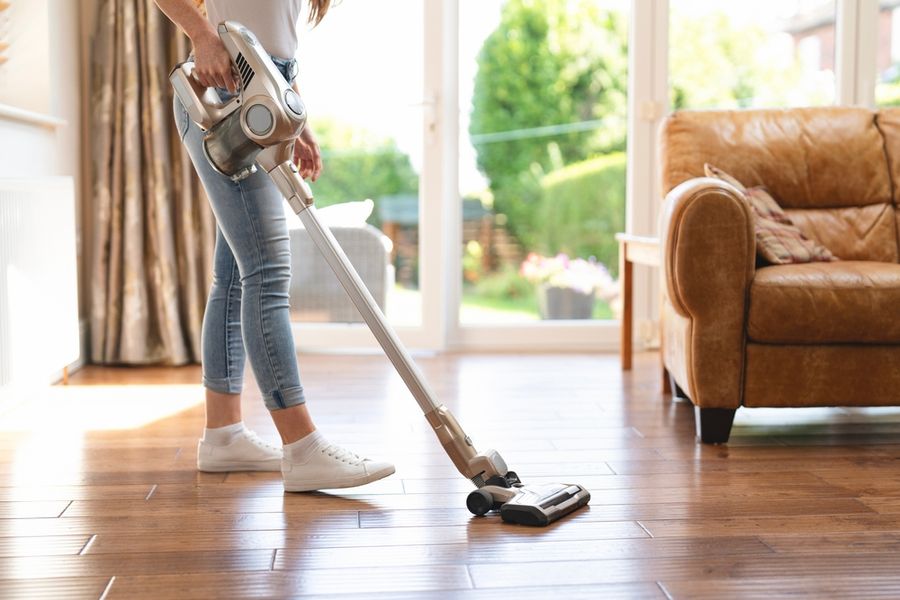
A clean home doesn’t require marathon scrubbing sessions or sacrificing an entire weekend. When small tasks are woven into daily life and supported by a simple weekly rhythm, clutter stays under control and surfaces stay fresh. The secret isn’t perfection; it’s consistency. A realistic routine built around short, focused habits can reduce overwhelm, prevent buildup, and make deeper cleaning faster and easier when the weekend rolls around.
Daily Reset: Small Habits That Prevent Big Messes
A weekly routine works best when supported by short daily resets. Spending 10 to 20 minutes tidying one area each day keeps clutter from spreading. Wipe down bathroom counters, quickly swish the toilet, and clear surfaces in whichever room needs the most attention. Setting a timer can make the task feel focused and manageable.
Simple habits such as making the bed each morning, sorting mail immediately, and doing a quick evening pickup create visible order. Load dishes directly into the dishwasher and wipe kitchen counters after meals. Running a robot vacuum or doing a quick sweep helps control dust and pet hair. When daily upkeep becomes automatic, the weekly clean feels far less demanding.
Kitchen Focus: A Weekly Surface Refresh
The kitchen benefits from a dedicated weekly refresh beyond daily wipe-downs. Start by clearing and disinfecting high-touch surfaces such as countertops, cabinet handles, light switches, and appliance fronts. Pay attention to the microwave interior and stovetop, where splatters often accumulate unnoticed.
Take a few minutes to check the refrigerator for expired items and wipe interior shelves as needed. Sweep and mop the floor, especially in corners and under the table. If the dishwasher is full, run it at night and unload it in the morning to maintain flow. A consistent weekly reset keeps the kitchen feeling inviting and reduces the need for heavy scrubbing later.
Bathrooms: Quick Weekly Deep-Clean
Even with light daily maintenance, bathrooms benefit from a more thorough weekly cleaning. Spray and wipe sinks, faucets, mirrors, and counters. Scrub the toilet inside and out, including the base. A quick pass over the shower walls and glass doors helps prevent soap scum from building up.
Shake out bath mats and replace used towels with fresh ones. Sweep and mop the floors, paying attention to corners where dust collects. If grout or tile needs extra care, tackle a small section each week rather than attempting the entire bathroom at once. Breaking the job into manageable steps keeps the space hygienic without turning it into an overwhelming project.
Living Areas and Bedrooms: Dust, Vacuum, and Reset
Living rooms and bedrooms often gather dust and scattered items throughout the week. Begin by decluttering surfaces—return books, blankets, and random items to their proper spots. Fluff pillows and fold throws to create a polished look in minutes.
Dust furniture, shelves, and electronics using a microfiber cloth. Vacuum rugs and upholstery, and sweep or mop hard floors. Rotate cushions to prevent uneven wear. In bedrooms, change sheets once a week and wipe bedside tables. Consistent attention keeps spaces comfortable and prevents allergens from accumulating, making the entire home feel lighter and more breathable.
Laundry and Linens: Keep Loads Manageable
Laundry can quickly become overwhelming if allowed to pile up. A helpful rule is to wash when hampers are about halfway full rather than waiting for a mountain to form. Smaller loads are easier to fold and put away, which makes staying consistent more realistic.
Wash towels and sheets weekly to maintain freshness. Building simple triggers into the day—such as starting a load in the morning and folding during a break—keeps the process moving without feeling disruptive. Putting clothes away immediately prevents clutter from migrating to chairs and counters. When laundry is handled in steady intervals, it stops feeling like a daunting chore.
Floors and High-Touch Points: The Weekly Sweep
Floors quietly collect dirt all week long. A thorough vacuum or sweep throughout the home once a week keeps dust, crumbs, and pet hair under control. Follow with mopping in kitchens, bathrooms, and entryways where grime tends to build up faster.
High-touch areas deserve equal attention. Light switches, door handles, remote controls, and stair railings can harbor germs if overlooked. A quick wipe with a disinfecting solution takes only minutes but significantly improves overall cleanliness. Addressing both floors and touchpoints weekly maintains a healthy environment and supports the lighter daily tidy efforts.
Building a Rhythm That Works Long-Term
A weekly cleaning routine succeeds when it supports life rather than controls it. Short daily resets paired with one focused weekly session prevent tasks from spiraling into exhausting catch-up days. Spreading responsibilities across manageable blocks of time makes upkeep feel sustainable instead of stressful.
Flexibility also matters. Some weeks may require more attention in one area and less in another. Adjust as needed while keeping the core habits intact. With consistency and realistic expectations, maintaining a fresh, welcoming home becomes part of the natural rhythm of the week rather than a burden waiting at the end of it.